AZ county records page

Pima County Arizona Septic Records Checklist

County file first

Do these before you trust a quote.

  1. 1
    Open the county record path

    Open Pima County septic records guidance

  2. 2
    Verify the owning office

    Pima County onsite wastewater treatment facilities office

  3. 3
    Price only after the file is clearer

    Do not move into pricing until the record portal, the transfer-inspection file, and any construction or discharge authorization all support the same story, because Pima can look clean while the sale-time county file is still exposed.

Pima County is a strong Arizona county wedge because the county gives owners a real septic records workflow, a mandatory transfer inspection path, and an onsite wastewater permitting stack on official county pages. That is much closer to how buyers, sellers, and owners actually solve the problem than a broad state explainer.

County-specific workflow Pima County, AZ Records-first wedge
Prepared by
Homeowner Planning Desk Planning editor Turns state rules, permit friction, and buyer-risk signals into estimate-first homeowner guidance.
Reviewed by
State Source Review Desk Source reviewer Checks official links, verification dates, and local workflow notes before a page stays public.
Reviewed against
Reviewed against 3 official county or state sources tied to this county workflow.
Last reviewed
2026-05-07

This page is maintained as conservative homeowner guidance and updated when linked official materials or local workflow notes change.

Open the county record path first

Open Pima County septic records guidance

Pima County stands out because the county combines parcel or activity-number septic lookup with sale-transfer compliance. Owners can search records by project number, address, or parcel, then move directly into transfer inspection, closure, or new permitting workflows without leaving official county systems.

Open county records
Verify the county office

Pima County onsite wastewater treatment facilities office

Pima County Department of Environmental Quality | 520-724-9000 | county septic records, transfer inspection, and onsite wastewater workflows are all exposed on the official PDEQ pages.

Open county office page
Price only after the file is clearer

Arizona records checklist

Use the state page when you still need the broader Arizona rule story, sewer-availability context, or county-first workflow before a planning range.

Open Arizona records checklist
County detail Workflow structure, requests, and low-end breakers Open when you need the full county file logic behind the answer panel.

Why Pima County is worth its own page

Pima County stands out because the county combines parcel or activity-number septic lookup with sale-transfer compliance. Owners can search records by project number, address, or parcel, then move directly into transfer inspection, closure, or new permitting workflows without leaving official county systems.

Best for Pima County buyers, sellers, owners, and agents who need to know whether the county file is strong enough to support a closing, a replacement quote, or a system status claim.

County workflow structure

File owner model

Pima County keeps the practical wastewater file, and the real story starts with the county record portal plus the transfer-inspection lane rather than a seller memory or service invoice.

First artifact to pull

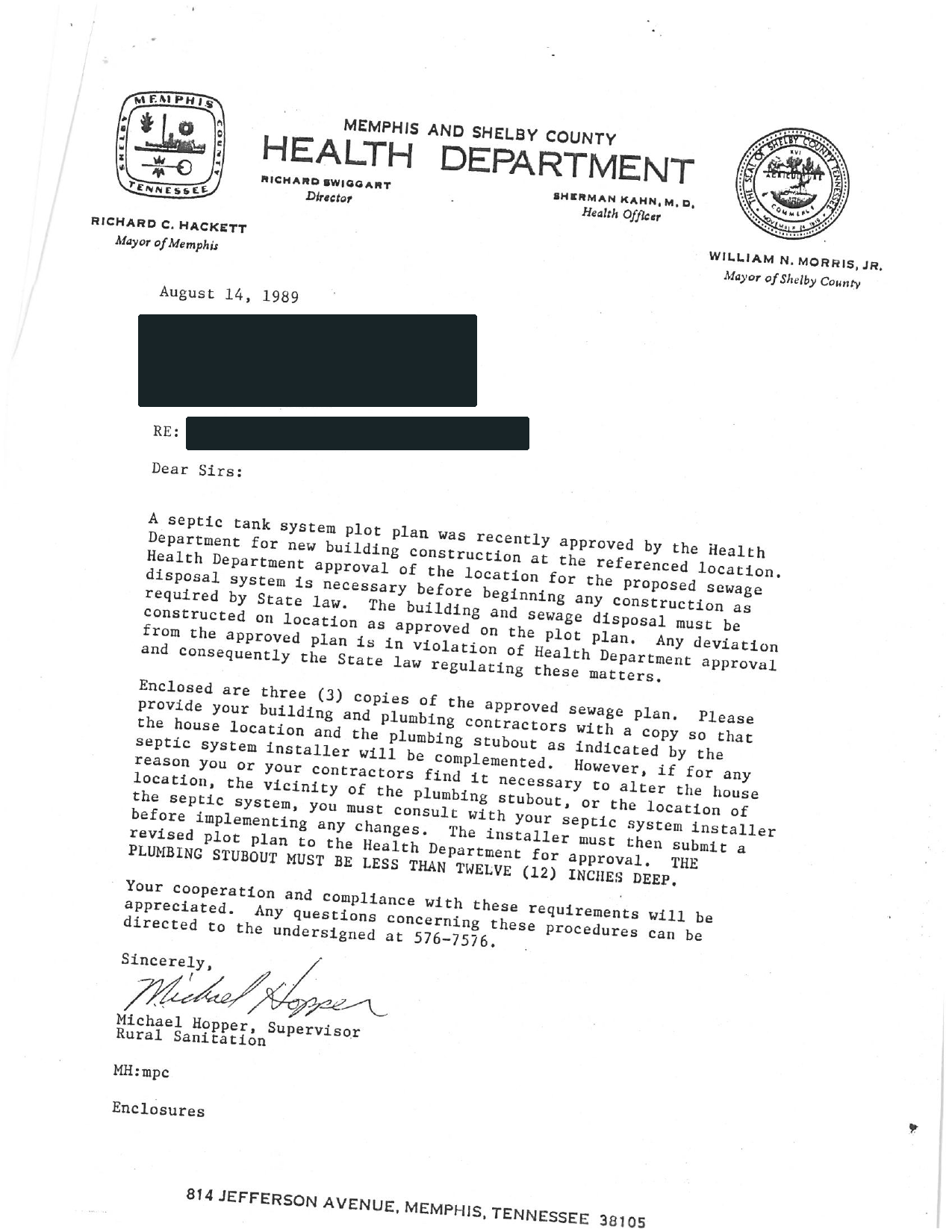
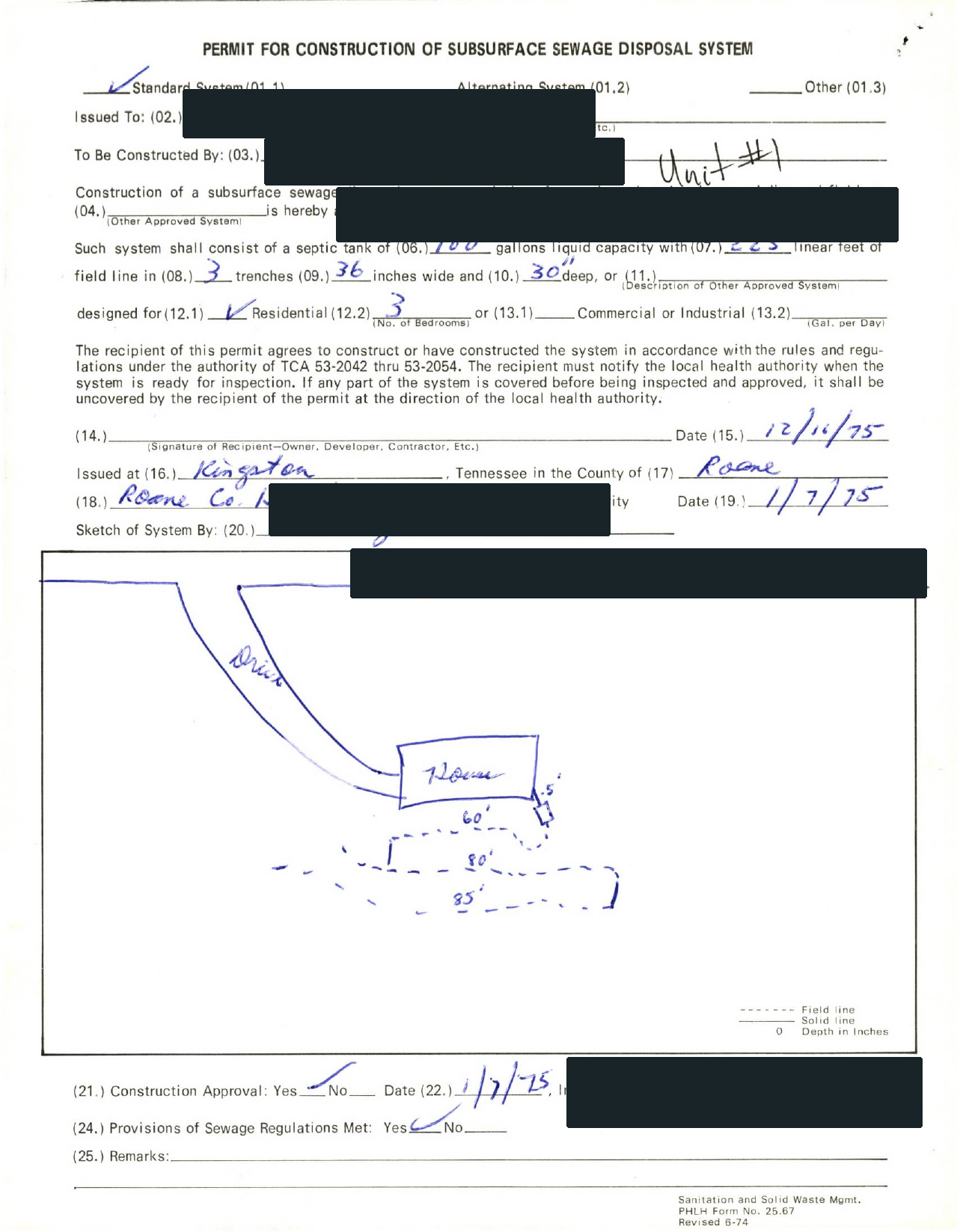
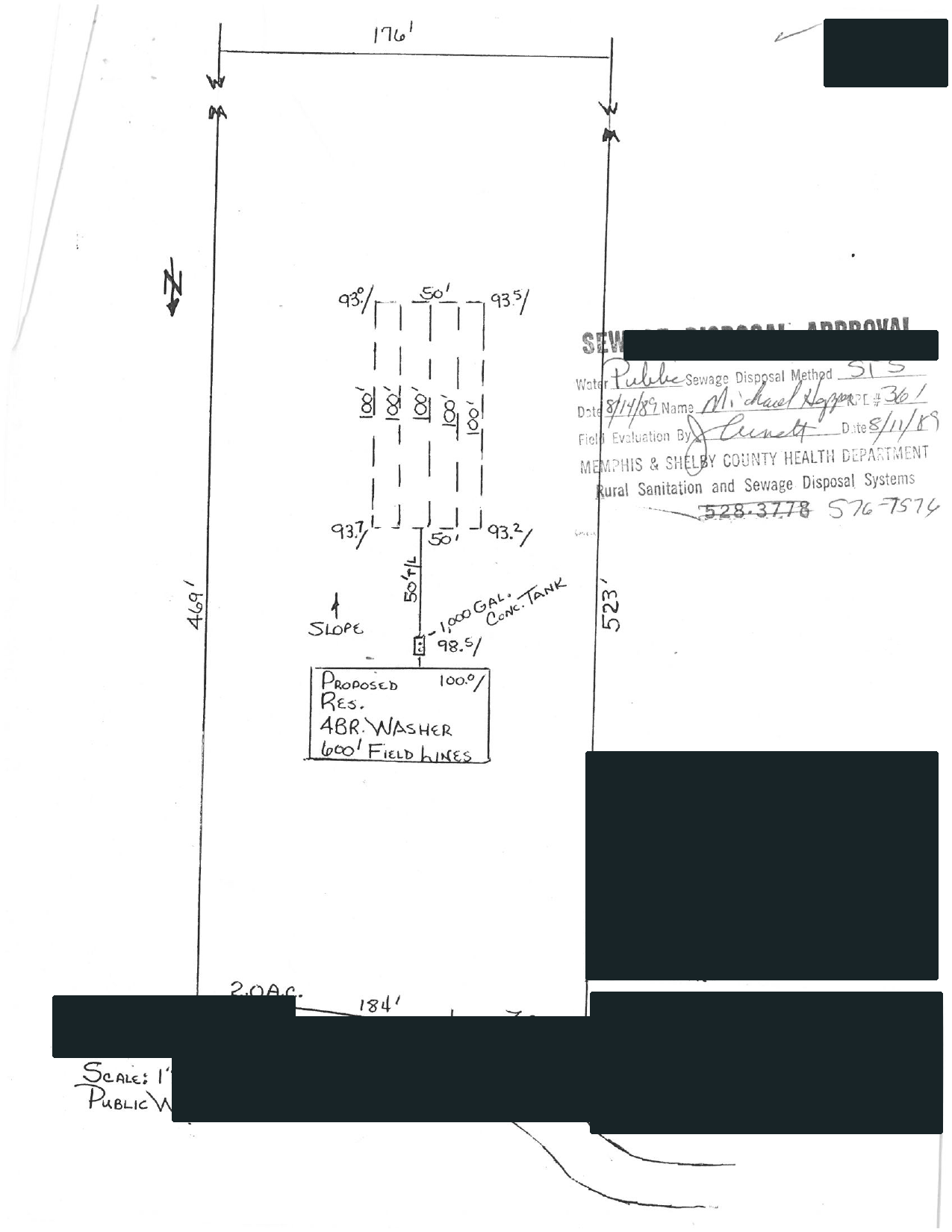
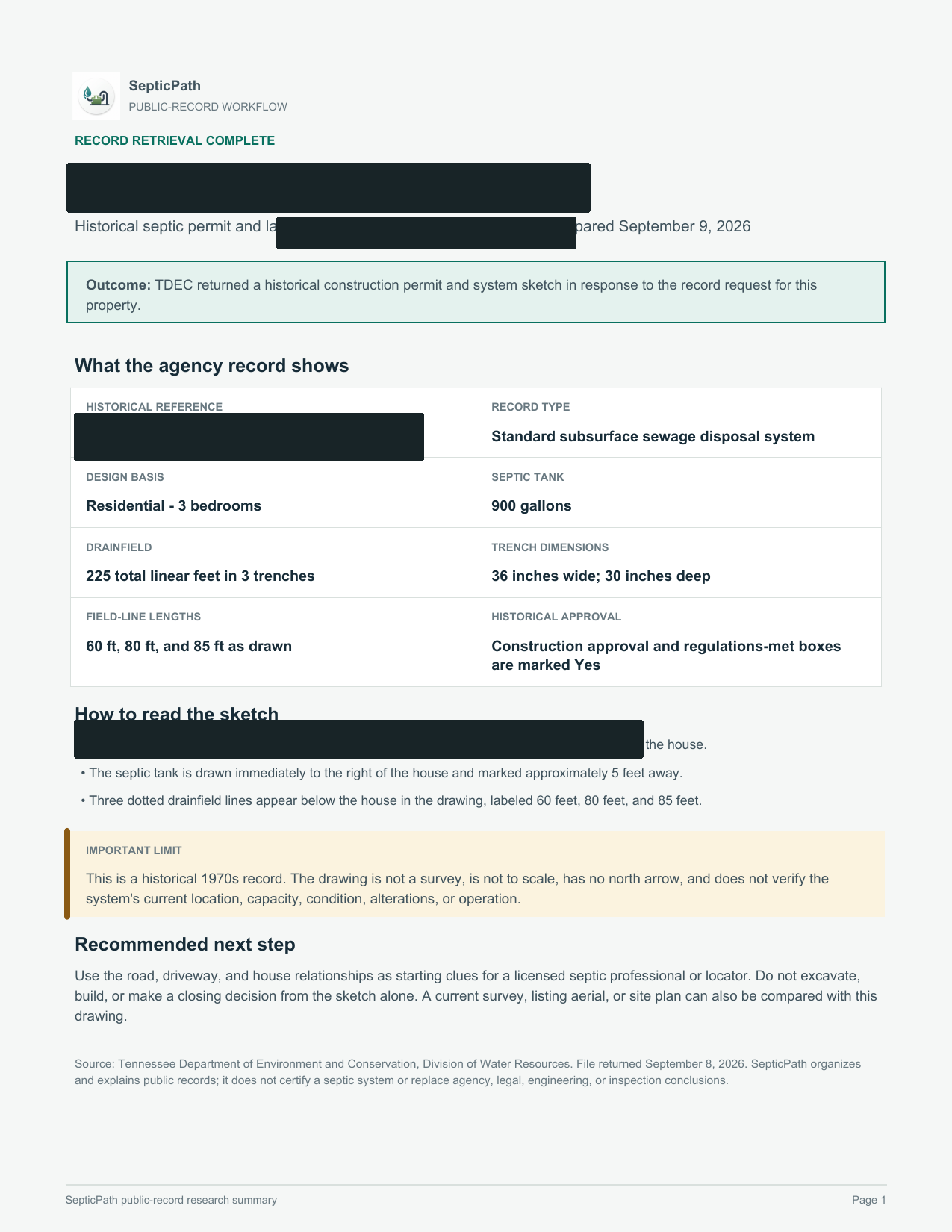
The septic record PDF tied to the parcel or activity number, then any Report of Inspection, Notice of Transfer, and county permitting document linked to the same system.

Permit closeout signal

Pima gets real when the county record PDF, the transfer inspection trail, and any construction or discharge authorization all support the same operating story.

Transfer or buyer artifact

For buyer work, the first transfer artifact is the county Report of Inspection and Notice of Transfer rather than a generic contractor opinion.

Special program or local exception

The six-month transfer-inspection rule is the local exception signal that can make a routine sale story fall apart fast.

Malfunction or repair trail

If the file points into replacement, closure, or extra permitting instead of a clean inspection return, the property is already outside the cheap story lane.

Do not price yet when

Do not move into pricing until the record portal, the transfer-inspection file, and any construction or discharge authorization all support the same story, because Pima can look clean while the sale-time county file is still exposed.

How this county workflow usually unfolds

  1. Start with the Pima County septic records page and search by activity number, address, or parcel number before relying on seller memory or a contractor summary.
  2. If the property is changing hands, move immediately into the county's transfer inspection path because Pima requires inspection within six months before property transfer.
  3. If the file is incomplete or the system story is widening, use the county onsite wastewater page to sort whether the next move is replacement, final authorization, or closure.

What to ask the county for

  • Any PDF hard-copy septic record available through the county's septic records portal for the parcel or activity number.
  • Any Report of Inspection, Notice of Transfer, and permitting or operation documents tied to a transfer of ownership.
  • Any county construction authorization, discharge authorization, or replacement-related onsite wastewater file tied to the property.

What breaks the low-end story

  • If the county record trail is thin or missing, a low-end repair or sale narrative is not enough to trust.
  • If the transfer inspection has not been completed within the county's required timeline, the closing story is still exposed.
  • If the file points toward replacement, closure, or additional permitting rather than simple maintenance, the cheap fix story can collapse quickly.
Source layer FAQs and official county sources Open when you need the source list or county-specific FAQ answers.

How do you look up septic records in Pima County?

Pima County tells owners to search septic records by project activity number, address, or parcel number, and newer record PDFs are available through the county's septic records portal.

Why is Pima County strong for a records-first septic page?

Because Pima County couples parcel-based septic lookup with a mandatory transfer inspection workflow and a county-run onsite wastewater permitting stack.

Next best action

Use the state workflow after the county file is clearer

Once the county form, location, or record history is in hand, move back into the Arizona records or permit page before you rely on a planning range.