This page is maintained as conservative homeowner guidance and updated when linked official materials or local workflow notes change.
Howard County Maryland Septic Records Checklist
Do these before you trust a quote.
-
1
Open the county record path
Open Howard County well and septic records request path
-
2
Verify the owning office
Howard County Well & Septic Program
-
3
Price only after the file is clearer
Do not move into pricing until the public file and the PIA fallback are both resolved, because a missing Howard County file can make the cheapest repair story meaningless.
Howard County is a strong Maryland records wedge because the health department lets owners search many residential well and septic files online, then pushes missing-file requests into a formal Public Information Act path.
Open Howard County well and septic records request path
Howard County stands out because the same county program connects three concrete next steps: public file search, failing-system repair intake, and a records-request fallback when the online file is thin or missing.
Open county recordsHoward County Well & Septic Program
Howard County Bureau of Environmental Health | 410-313-1771 | Well & Septic Program page includes public file search and repair intake.
Open county office pageMaryland records checklist
Use the state page when you still need the broader Maryland rule story, sewer-availability context, or county-first workflow before a planning range.
Open Maryland records checklistCounty detail Workflow structure, requests, and low-end breakers Open when you need the full county file logic behind the answer panel.
Why Howard County is worth its own page
Howard County stands out because the same county program connects three concrete next steps: public file search, failing-system repair intake, and a records-request fallback when the online file is thin or missing.
Best for Howard County buyers, owners, agents, and contractors who need to know whether the county file is good enough to support a repair, addition, or cautious closing conversation.
County office and records path
Office path. Howard County Well & Septic Program
Records path. Open Howard County well and septic records request path
Howard County Bureau of Environmental Health | 410-313-1771 | Well & Septic Program page includes public file search and repair intake.
County workflow structure
File owner model
Howard County Environmental Health owns the practical file, but the owner often has to move between the public search and a formal PIA request before the record is actually usable.
First artifact to pull
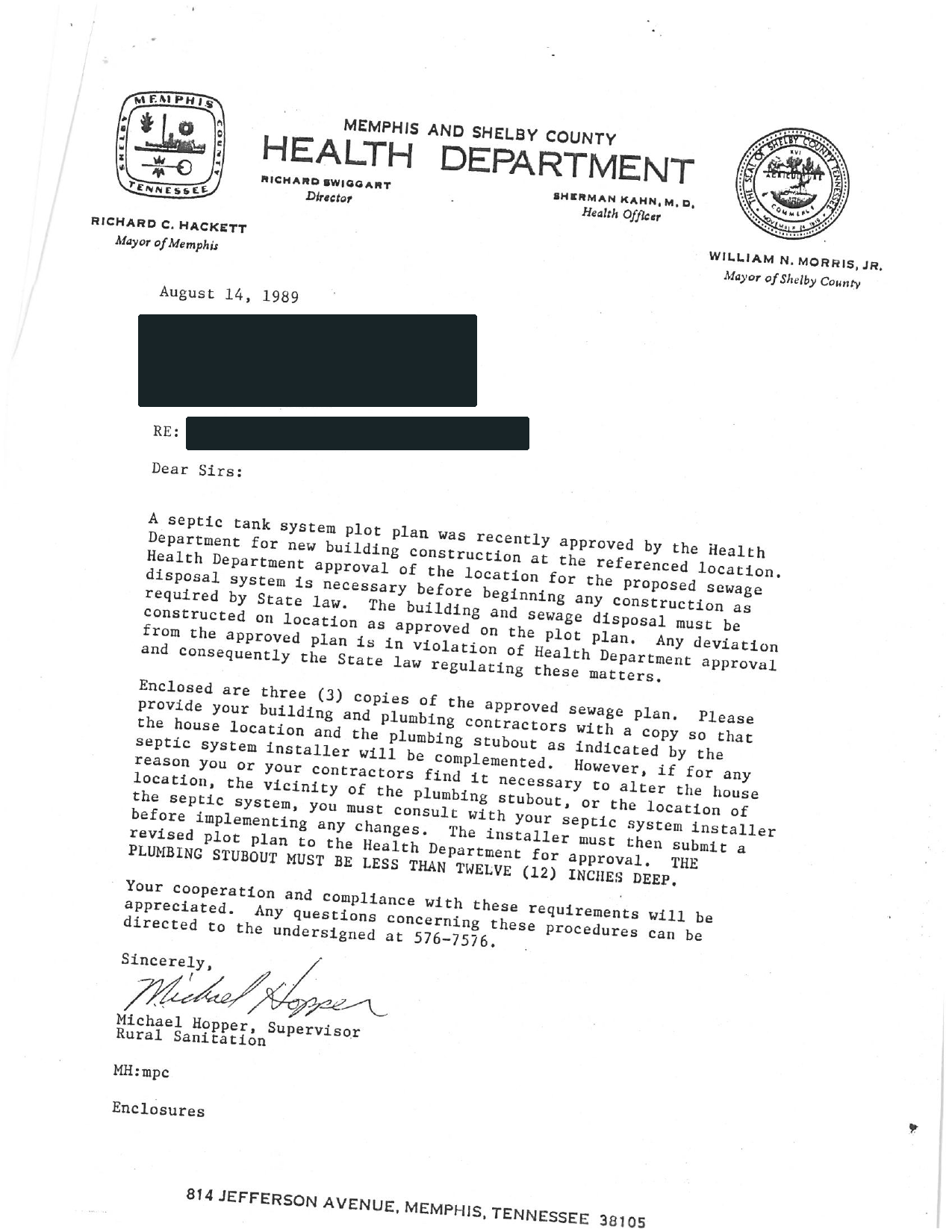
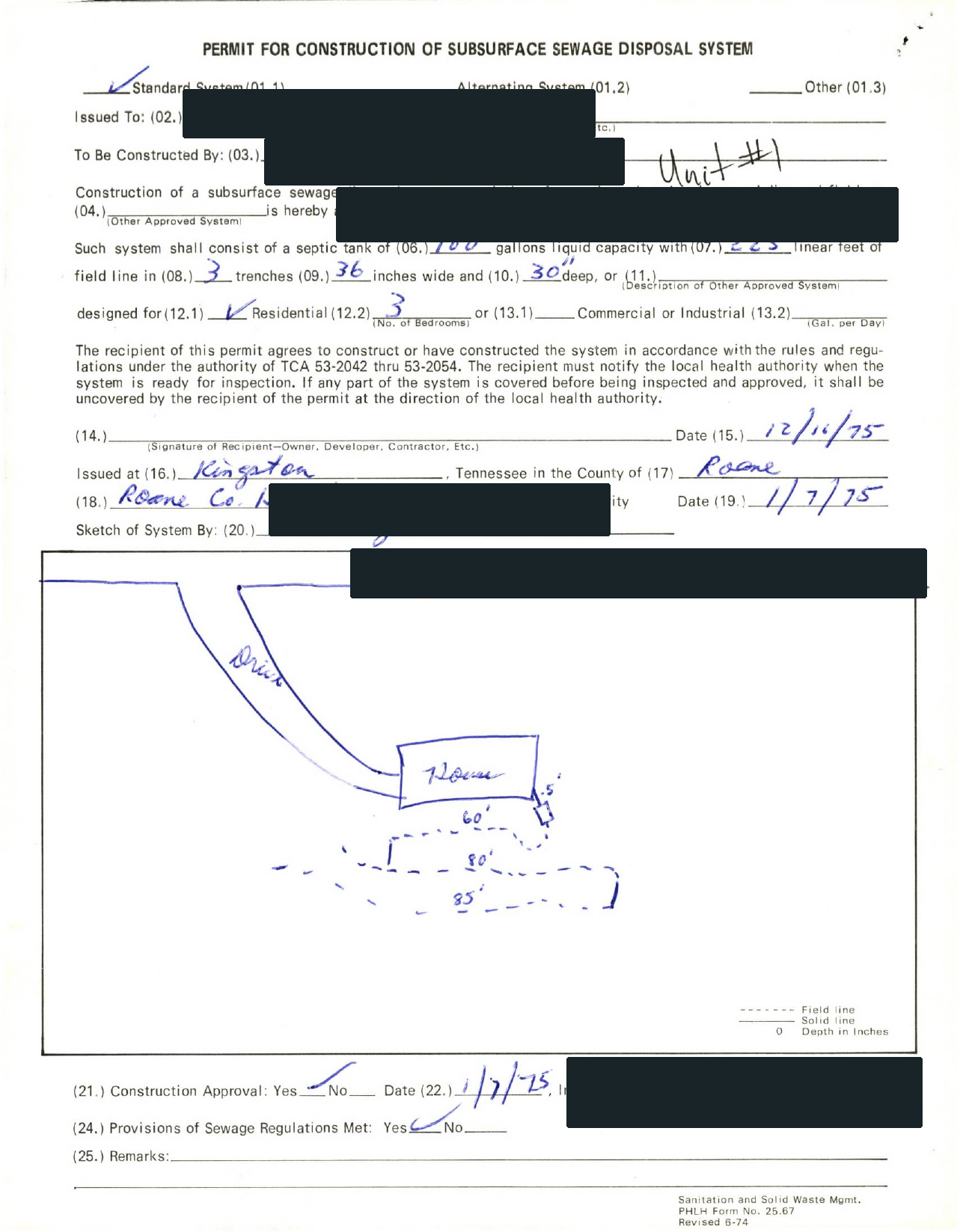
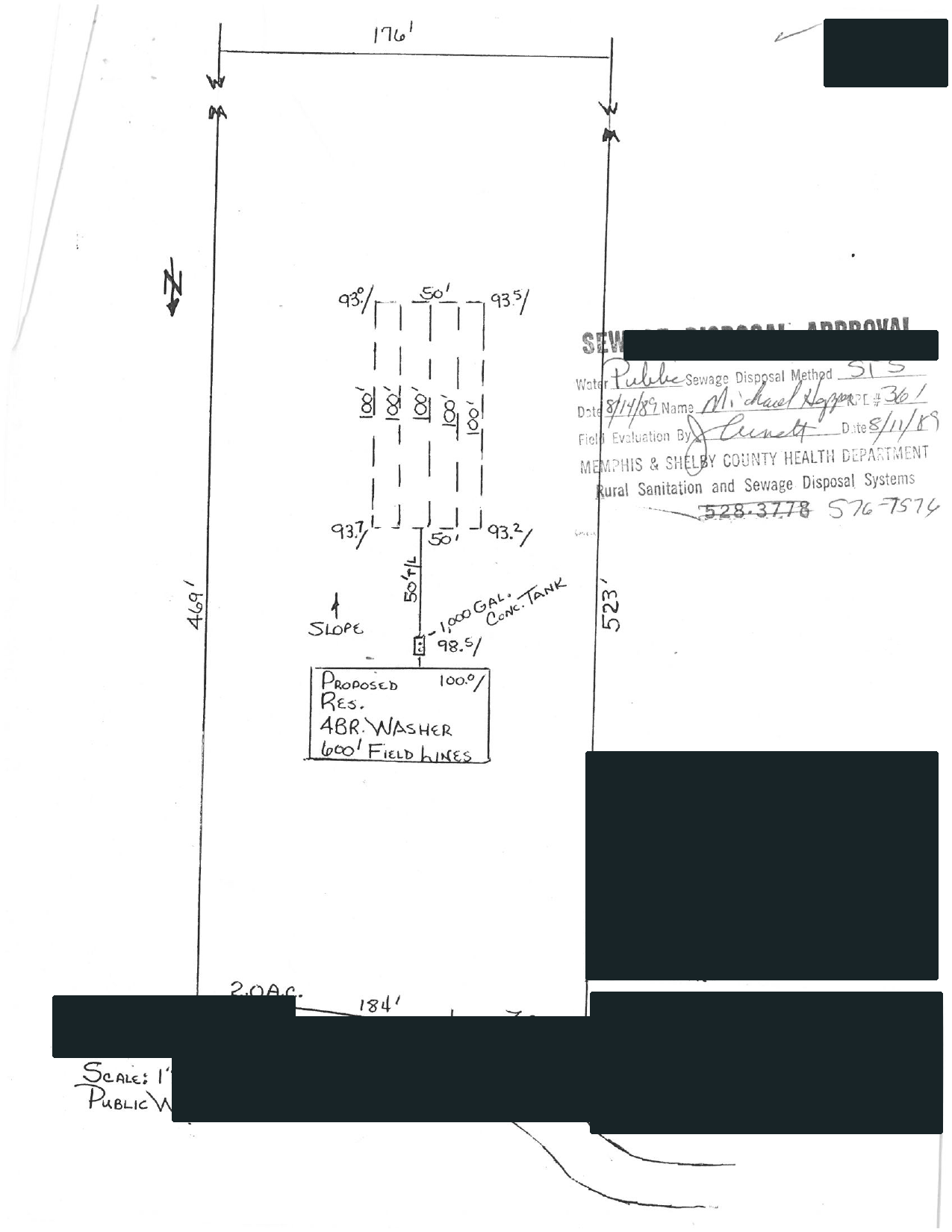
The public well-and-septic file first, then any repair, perc, or approved OSDS plan returned through the county PIA path.
Permit closeout signal
Howard County repair work is not really file-backed until the repair or upgrade paperwork shows the county moved beyond a generic complaint or failure story into an actual permit path.
Transfer or buyer artifact
For buyer work, the county file needs the public record or PIA return that proves what is really on file before anyone leans on a clean sale narrative.
Special program or local exception
Howard County still rewards checking for county-side program or records friction even when no special upgrade lane is obvious on the parcel.
Malfunction or repair trail
If the system may be failing, the county repair intake and perc-side paperwork matter more than a simple repair quote.
Do not price yet when
Do not move into pricing until the public file and the PIA fallback are both resolved, because a missing Howard County file can make the cheapest repair story meaningless.
How this county workflow usually unfolds
- Start on the Howard County Well & Septic Program page and search the public file before you rely on seller memory or a contractor guess.
- If the system may be failing, use the county repair path that requires a perc test application and septic repair information form.
- If the public file is missing or incomplete, submit the county Environmental PIA request before you price repairs or promise a clean closing.
What to ask the county for
- Any Howard County well and septic file available through the public file search for the property.
- Any septic repair or upgrade form already tied to the parcel.
- Any perc, approved OSDS plan, or related county record returned through the PIA process.
What breaks the low-end story
- If the public file is missing, the cheap repair story is still only a guess.
- If a failing system needs county perc work and a repair permit, the scope is already wider than a simple pump-and-go story.
- If the county file shows prior repairs, additions, or constraints, the next quote may be pricing the wrong system history.
Source layer FAQs and official county sources Open when you need the source list or county-specific FAQ answers.
What is the first Howard County septic record to look for?
Start with the county public file search on the Well & Septic Program page, then use the health department's PIA path if the file is missing or incomplete.
Why is Howard County a records page before it is a price page?
Because Howard County makes file quality visible first through online records, then forces real repair work into county perc and permit steps if the system is failing.
- Howard County Health Department Well & Septic Program
- Howard County Health Department Public Information Act (PIA) Request
- Howard County Health Department Information Form - Septic System Repair/Upgrade
Use the state workflow after the county file is clearer
Once the county form, location, or record history is in hand, move back into the Maryland records or permit page before you rely on a planning range.
Related Maryland pages
-
Buying a House With a Septic System in Maryland
Use this when the property deal, not just the system price, is driving risk.
-
Maryland Septic Permit Process
Use this when the next office, permit step, or approval sequence is the real bottleneck.
-
Maryland septic guide
Open the Maryland guide for permit path, local office, and records workflow context.
-
Maryland Septic Records Checklist
Use this when the file is thinner than the current seller, owner, or contractor story.