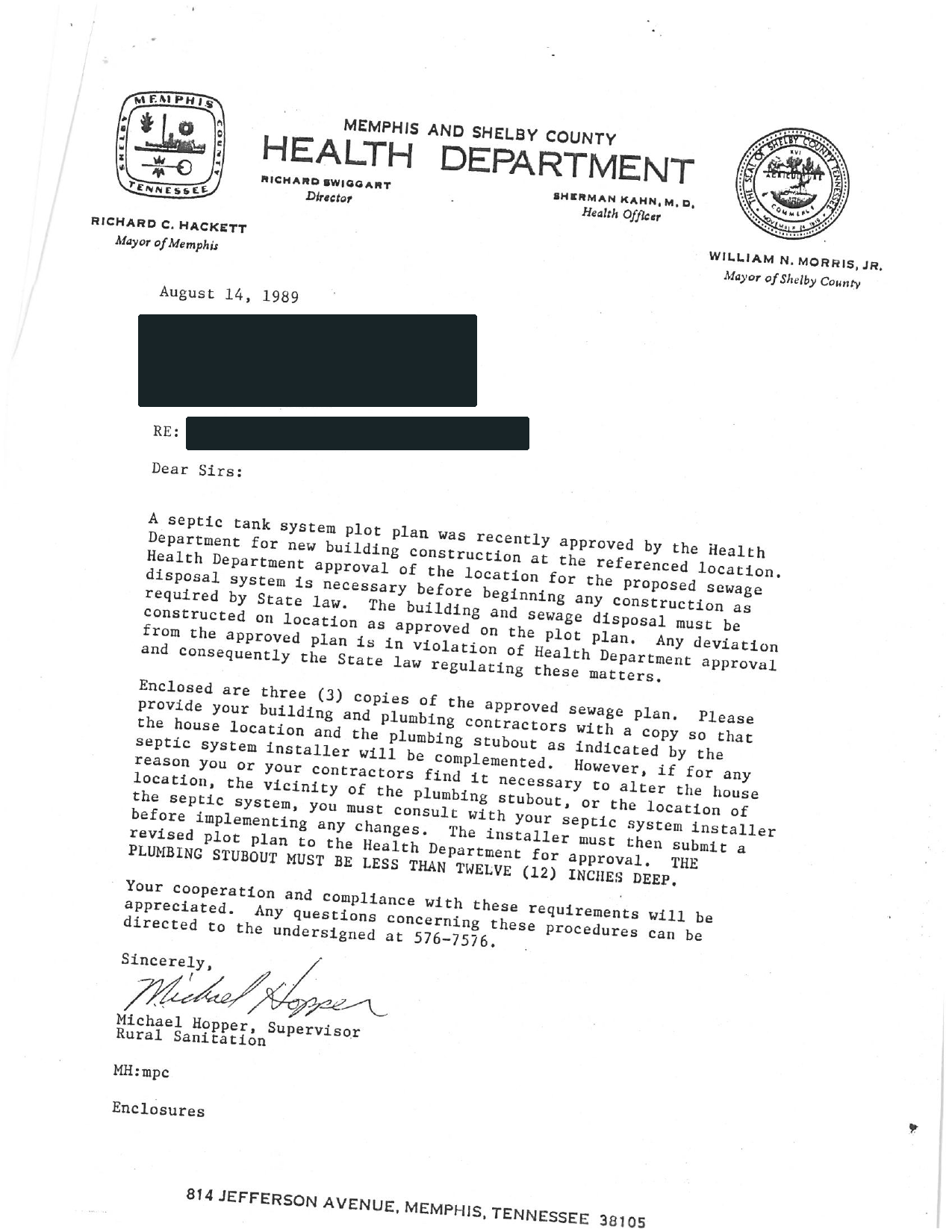
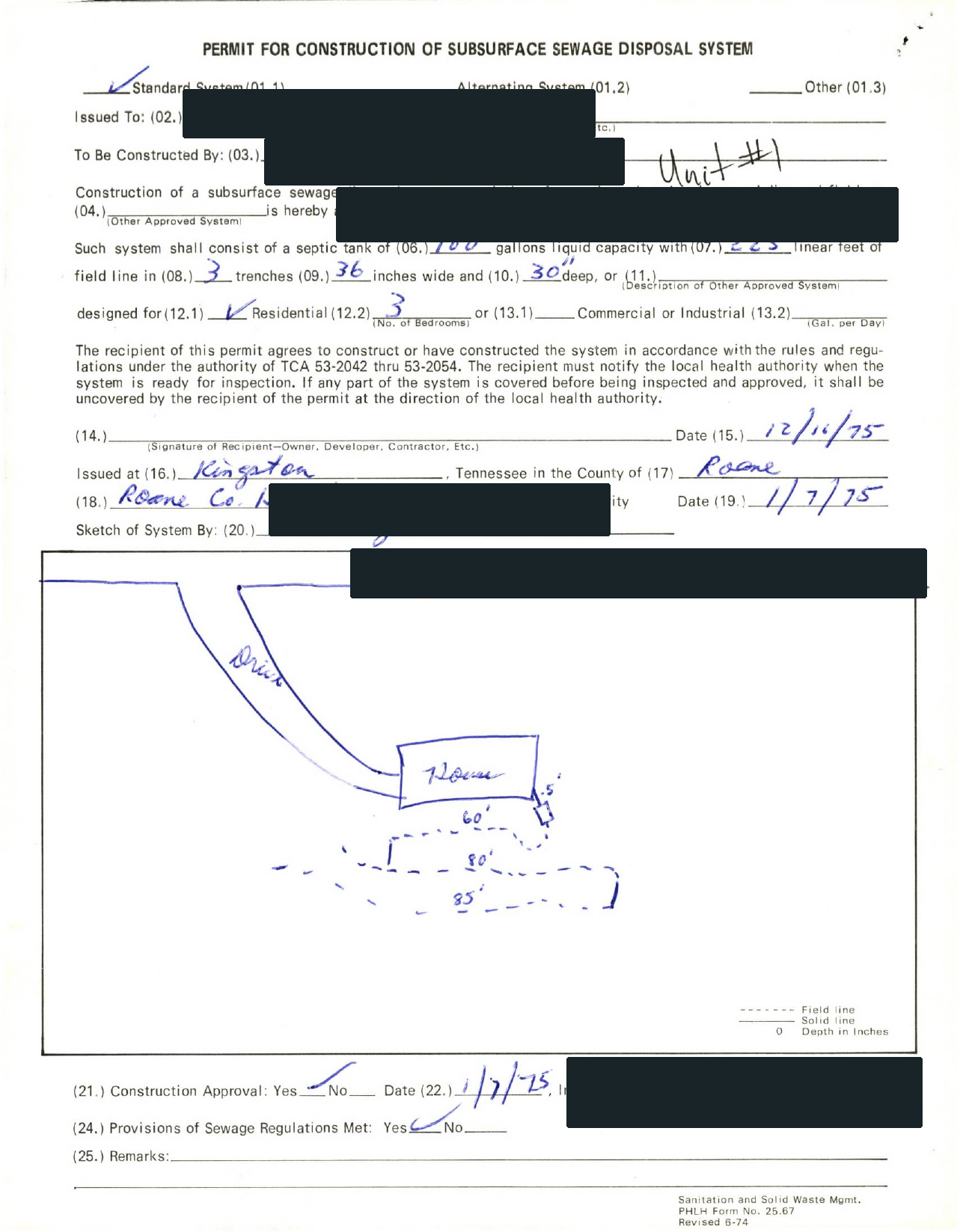
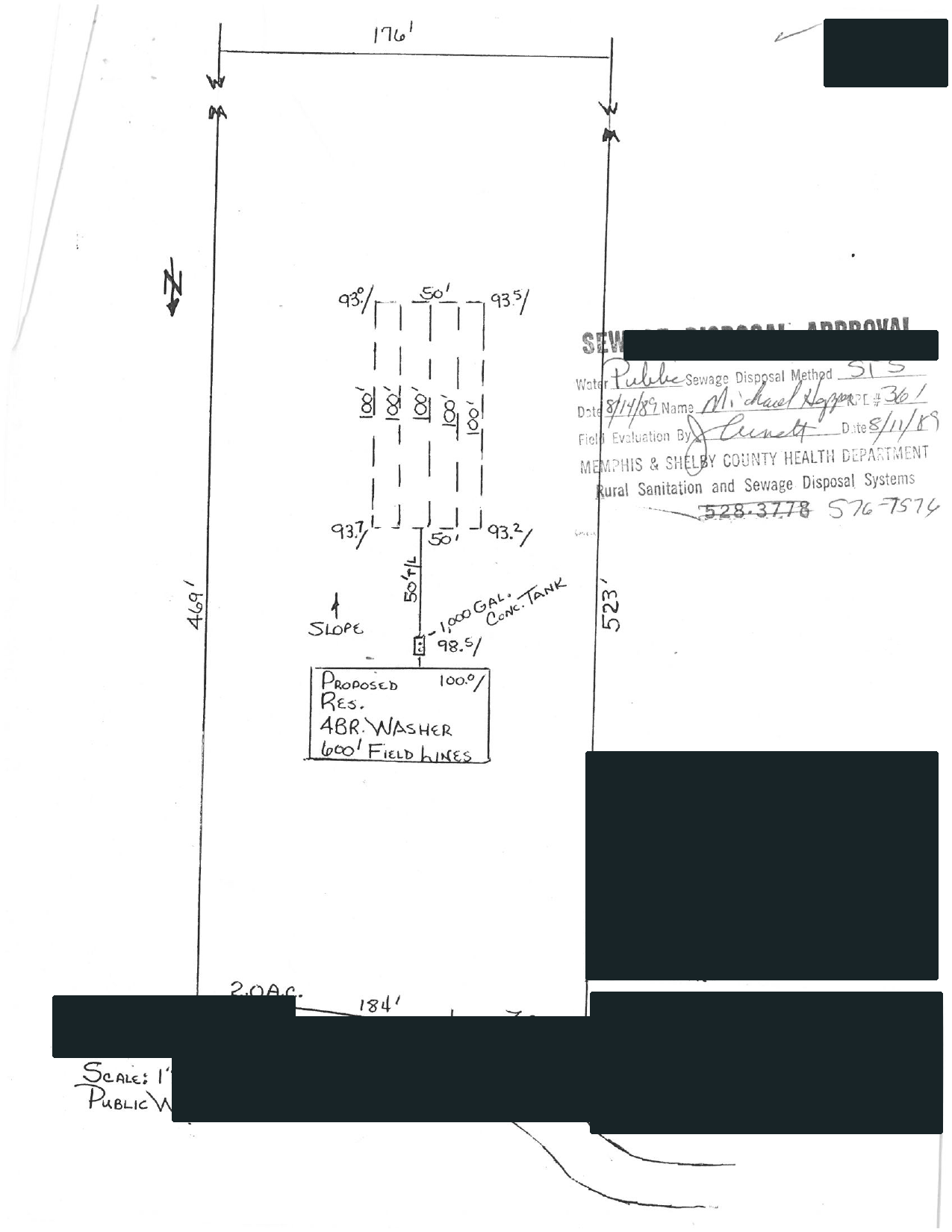
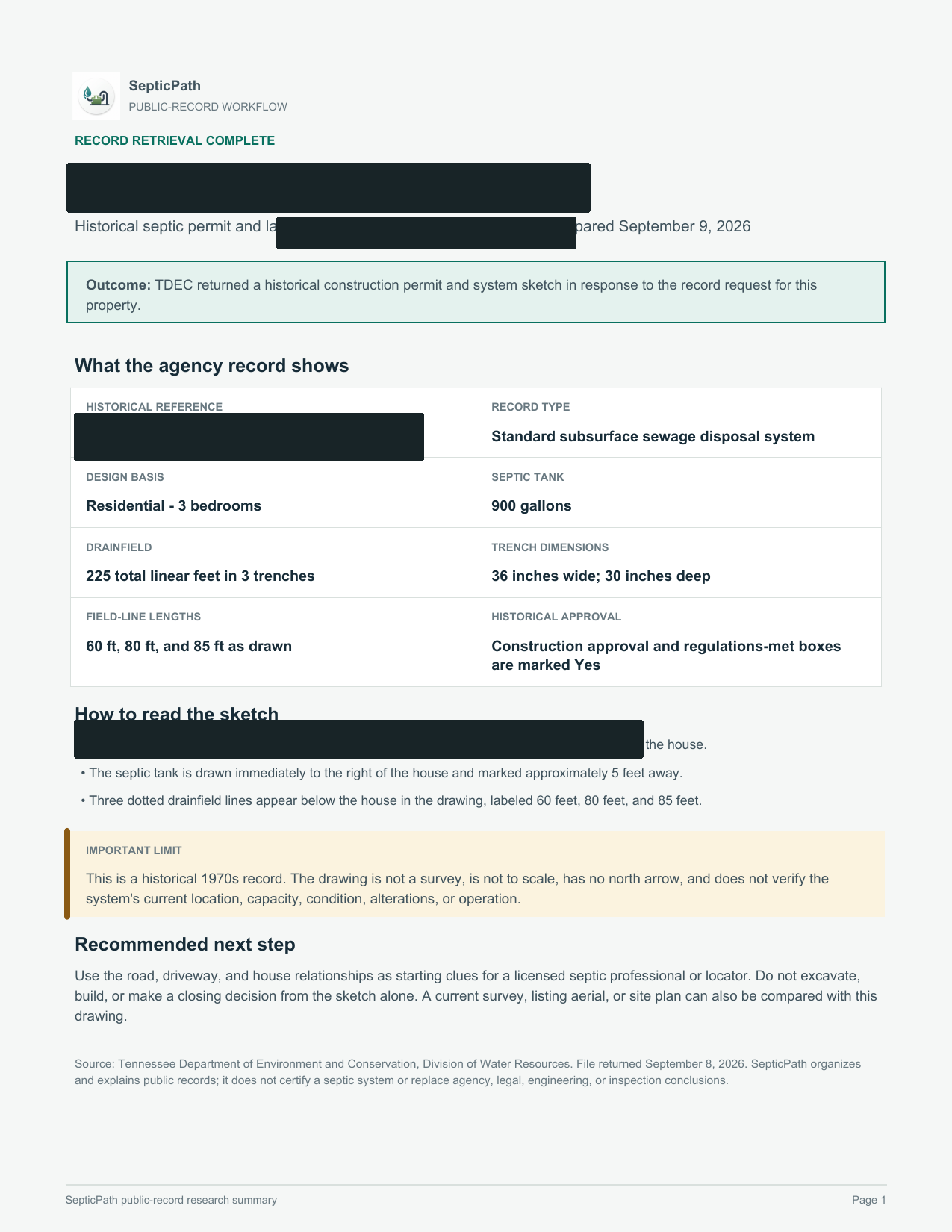
MI county records page

Ingham County Michigan Septic Records Checklist

County file first

Do these before you trust a quote.

  1. 1
    Open the county record path

    Open Ingham County permit and inspector path

  2. 2
    Verify the owning office

    Ingham County well and septic program

  3. 3
    Price only after the file is clearer

    Do not move into pricing until the file owner is fully resolved, and the buyer or transfer artifact supports the same story, because Ingham County can look simpler on the surface than the real county workflow.

Ingham County is strong because the county does not reduce septic work to one vague records phone call. Point-of-sale inspectors, local permits and licensing, and the county environmental viewer all change what you should check first.

County-specific workflow Ingham County, MI Records-first wedge
Prepared by
Homeowner Planning Desk Planning editor Turns state rules, permit friction, and buyer-risk signals into estimate-first homeowner guidance.
Reviewed by
State Source Review Desk Source reviewer Checks official links, verification dates, and local workflow notes before a page stays public.
Reviewed against
Reviewed against 4 official county or state sources tied to this county workflow.
Last reviewed
2026-05-07

This page is maintained as conservative homeowner guidance and updated when linked official materials or local workflow notes change.

Open the county record path first

Open Ingham County permit and inspector path

Ingham is a point-of-sale county. The real question is whether the parcel needs a sale-time inspection and local file pull before anyone relies on the current system story.

Open county records
Verify the county office

Ingham County well and septic program

Ingham County Environmental Health | 517-887-4312 | local point-of-sale inspectors and health-department permit path online

Open county office page
Price only after the file is clearer

Michigan records checklist

Use the state page when you still need the broader Michigan rule story, sewer-availability context, or county-first workflow before a planning range.

Open Michigan records checklist
County detail Workflow structure, requests, and low-end breakers Open when you need the full county file logic behind the answer panel.

Why Ingham County is worth its own page

Ingham is a point-of-sale county. The real question is whether the parcel needs a sale-time inspection and local file pull before anyone relies on the current system story.

Best for Ingham County buyers, owners, agents, and coordinators who need to know whether the next move is a point-of-sale inspection, a permit lookup, or a map-backed records check.

County workflow structure

File owner model

Ingham County Environmental Health or the local health district is the practical file owner, and the real county story starts there rather than at a generic statewide desk.

First artifact to pull

Any health-department permit or septic file tied to the parcel.

Permit closeout signal

Ingham County still needs a stronger closeout signal than the first permit mention before the file is safe to price against.

Transfer or buyer artifact

Any point-of-sale inspection result or inspector note connected to the sale.

Special program or local exception

Ingham County still rewards checking for local program, area-rule, or file-resolution friction before the parcel is treated as routine.

Malfunction or repair trail

Ingham County still needs a repair-or-complaint check before a clean-looking system story is treated as complete.

Do not price yet when

Do not move into pricing until the file owner is fully resolved, and the buyer or transfer artifact supports the same story, because Ingham County can look simpler on the surface than the real county workflow.

How this county workflow usually unfolds

  1. Start with the county well-and-septic page and confirm whether the property needs a point-of-sale inspection rather than a casual seller explanation.
  2. Use the county inspector list and permits path before trusting the condition story, because Ingham County treats sale-time septic review as a real workflow.
  3. Check the local environmental viewer and permit trail if the parcel history is thin, because the map and the file together are more reliable than one memory-based answer.

What to ask the county for

  • Any health-department permit or septic file tied to the parcel.
  • Any point-of-sale inspection result or inspector note connected to the sale.
  • Any map-backed parcel context that clarifies where the system is located and what branch the property is in.

What breaks the low-end story

  • If the property needs a point-of-sale inspection, the cheapest quote is not the first useful answer.
  • If the permit trail is thin, the county file may not support the seller's version of the system history.
  • If the parcel map or local file conflicts with the visible layout, a buyer can misread what is actually onsite.
Source layer FAQs and official county sources Open when you need the source list or county-specific FAQ answers.

What is the first Ingham County septic record to ask for?

Start with the county health-department file and the point-of-sale inspection path, because those usually answer whether the sale story is complete.

Why does Ingham County deserve its own page?

Because Ingham County makes point-of-sale inspection, permits, and parcel-level map context part of the real next action.

Next best action

Use the state workflow after the county file is clearer

Once the county form, location, or record history is in hand, move back into the Michigan records or permit page before you rely on a planning range.