This page is maintained as conservative homeowner guidance and updated when linked official materials or local workflow notes change.
Cuyahoga County Ohio Septic Records Checklist
Do these before you trust a quote.
-
1
Open the county record path
Open Cuyahoga County public records and sewage downloads
-
2
Verify the owning office
Cuyahoga County Board of Health household sewage program
-
3
Price only after the file is clearer
Do not move into pricing until the point-of-sale evaluation, O&M history, and sewer jurisdiction all support the same path, because Cuyahoga can turn from routine transfer to repair problem quickly.
Cuyahoga County is strong because the Board of Health turns septic due diligence into a real transaction workflow. Point-of-sale evaluation, O&M history, abandonment, and county records all matter before you price a repair or list a property.
Open Cuyahoga County public records and sewage downloads
Cuyahoga is better than a generic Ohio page because the county explicitly says point-of-sale evaluation should happen before listing if possible, not after the deal is already under pressure.
Open county recordsCuyahoga County Board of Health household sewage program
Cuyahoga County Board of Health household sewage program
Open county office pageOhio records checklist
Use the state page when you still need the broader Ohio rule story, sewer-availability context, or county-first workflow before a planning range.
Open Ohio records checklistCounty detail Workflow structure, requests, and low-end breakers Open when you need the full county file logic behind the answer panel.
Why Cuyahoga County is worth its own page
Cuyahoga is better than a generic Ohio page because the county explicitly says point-of-sale evaluation should happen before listing if possible, not after the deal is already under pressure.
Best for Cuyahoga County buyers, sellers, owners, and agents who need to know whether the next move is a point-of-sale evaluation, a records pull, or an O&M history check.
County office and records path
Office path. Cuyahoga County Board of Health household sewage program
Records path. Open Cuyahoga County public records and sewage downloads
Cuyahoga County Board of Health household sewage program
County workflow structure
File owner model
Cuyahoga County Board of Health owns the practical household-sewage file, but the county wants that file checked through point-of-sale and O&M history before a property story feels real.
First artifact to pull
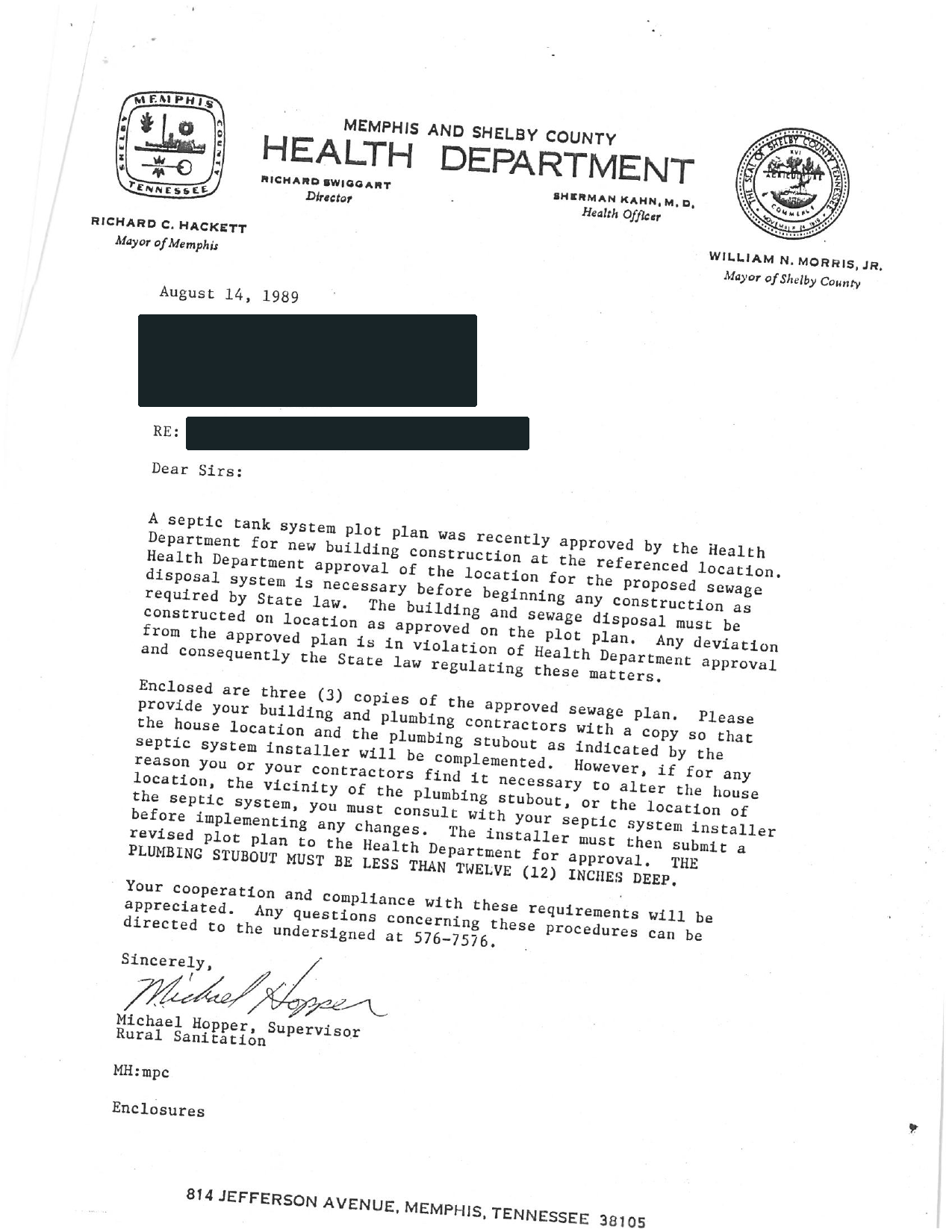
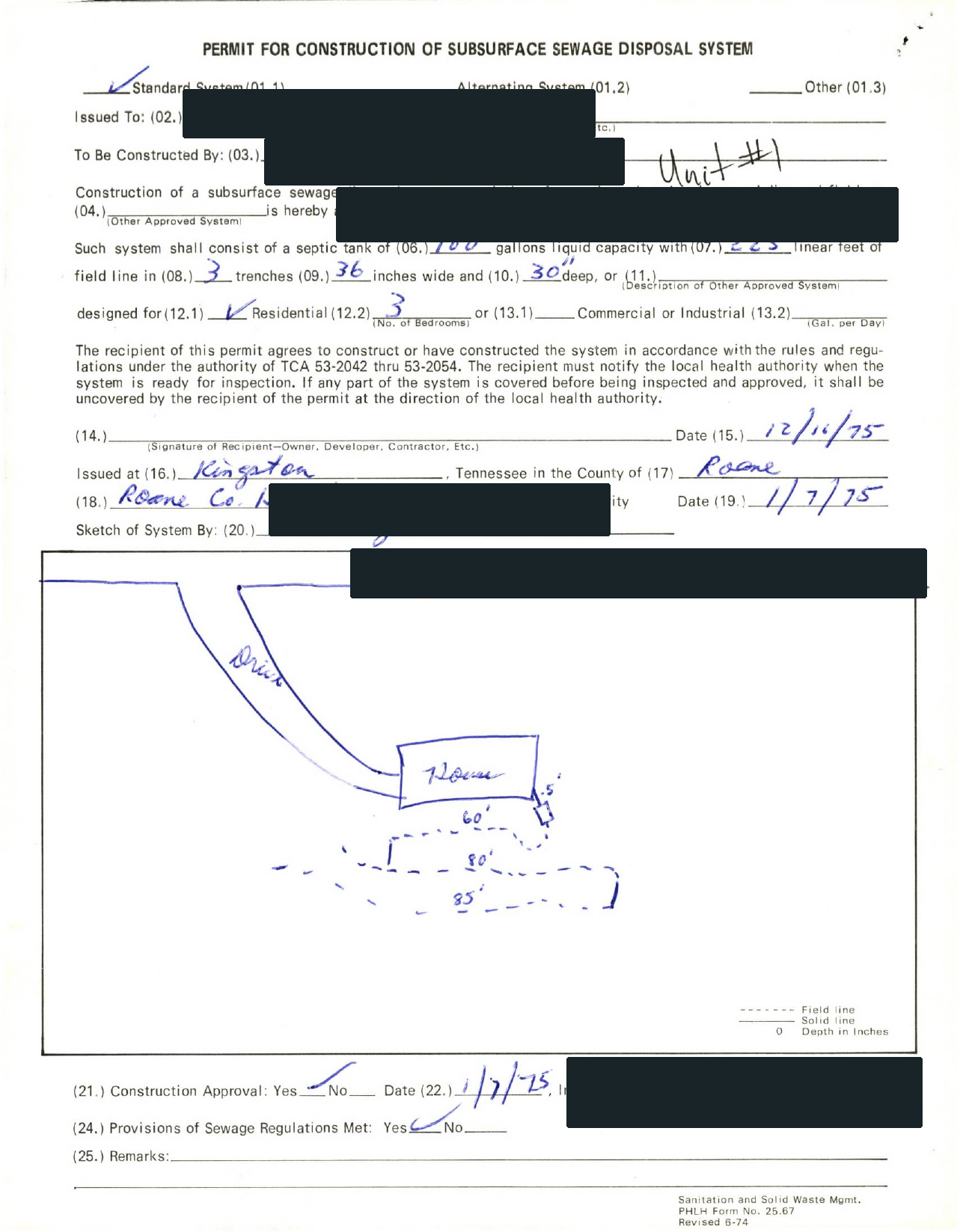
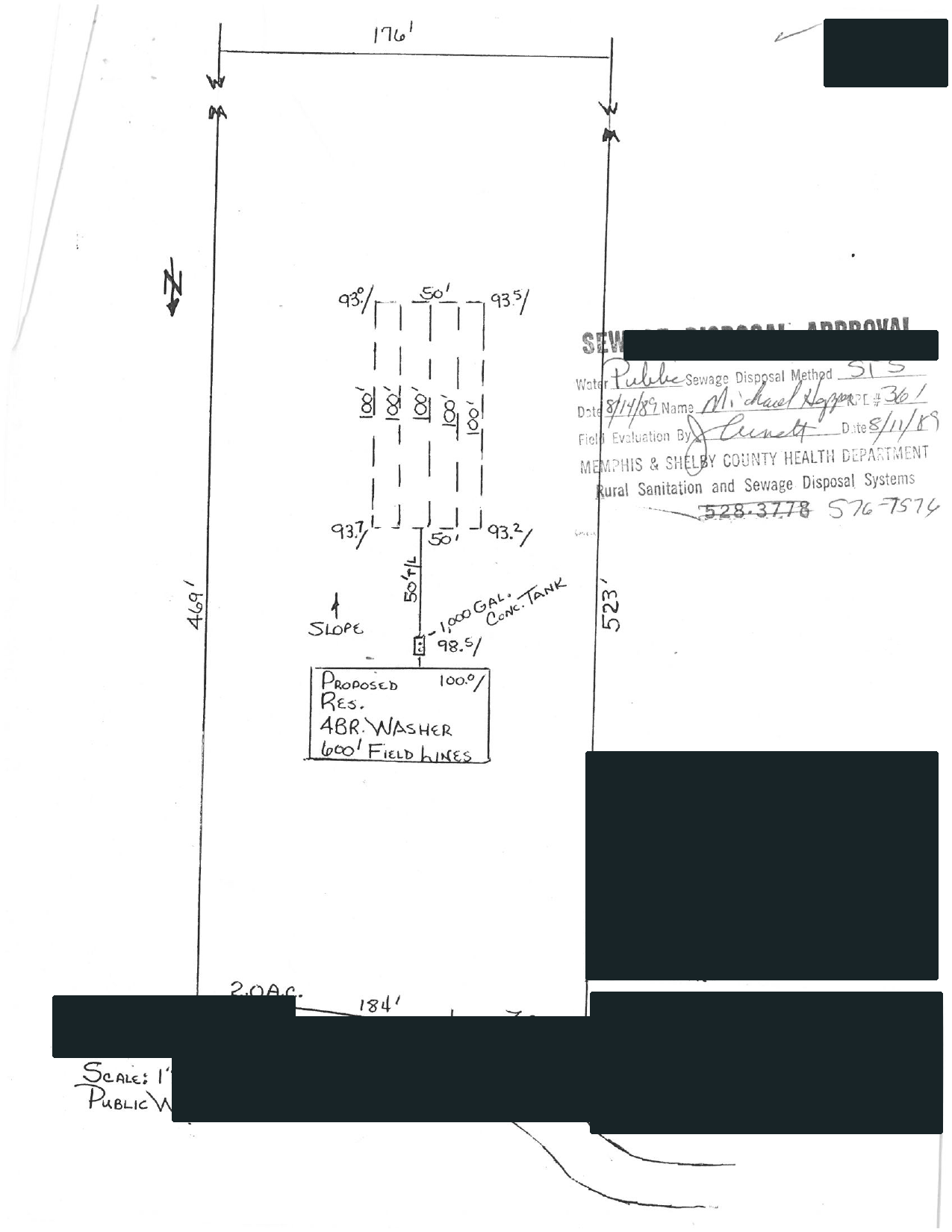
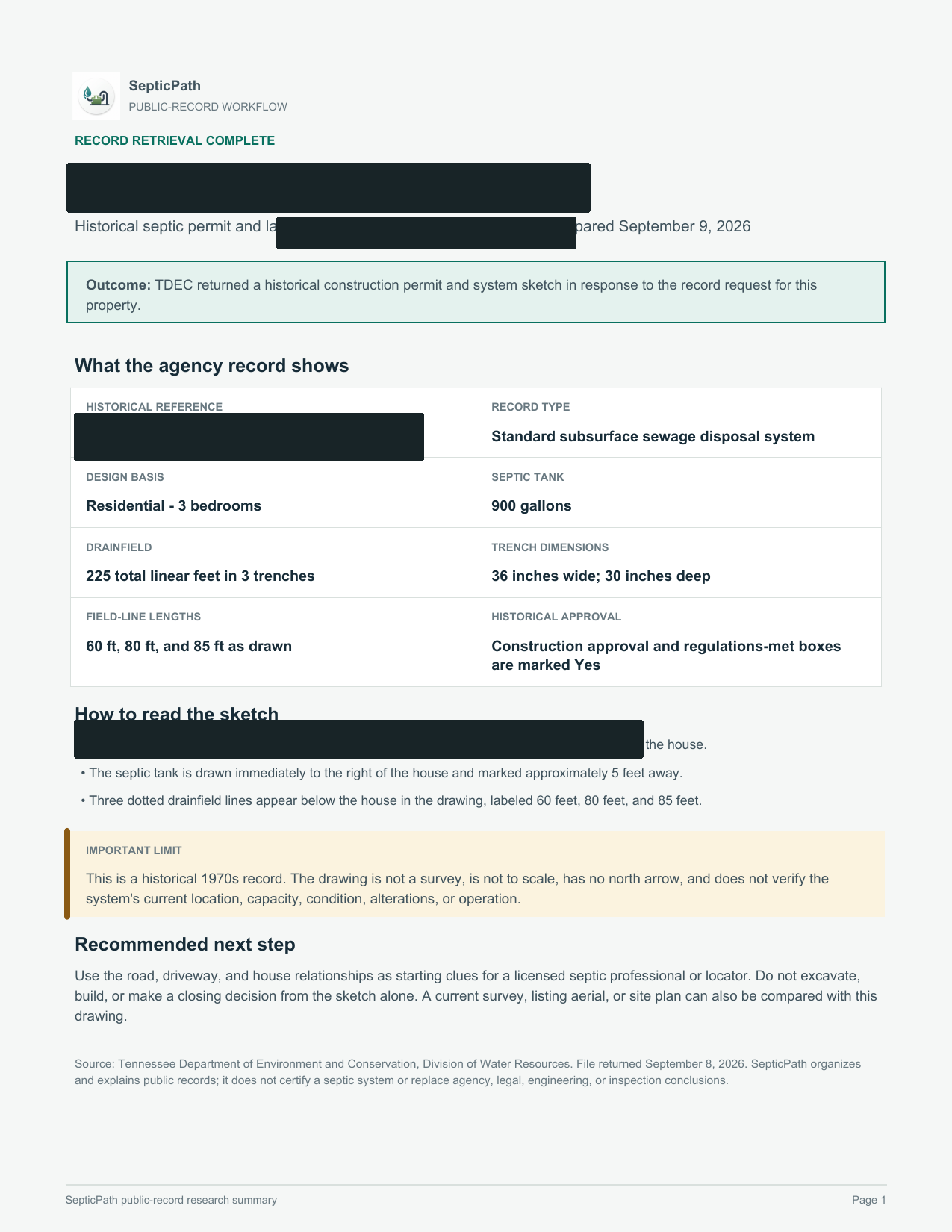
The point-of-sale evaluation, any installation or abandonment permit, and any annual operation-and-management or compliance record tied to the property.
Permit closeout signal
Cuyahoga County gets real when the evaluation and O&M side show the system can stay in service, not when the parcel only has an old installation note.
Transfer or buyer artifact
The formal buyer-side artifact is the point-of-sale evaluation plus any effluent re-sample or county evaluation result tied to the sale or refinance.
Special program or local exception
Annual O&M and compliance history are managed obligations that can change the ownership story even before a repair estimate starts.
Malfunction or repair trail
If the point-of-sale or O&M record shows discharge, failed sampling, or unresolved compliance issues, the next move belongs in the county repair branch rather than a routine sale lane.
Do not price yet when
Do not move into pricing until the point-of-sale evaluation, O&M history, and sewer jurisdiction all support the same path, because Cuyahoga can turn from routine transfer to repair problem quickly.
How this county workflow usually unfolds
- Confirm first that the property is in Board of Health jurisdiction and not on public sewer.
- Pull permit, abandonment, point-of-sale, and O&M records before treating the property like a normal low-friction sale.
- If the property is selling, refinancing, or changing load, schedule the county evaluation early instead of waiting until closing pressure builds.
What to ask the county for
- Installation, alteration, or abandonment permit history tied to the property.
- Any point-of-sale evaluation report and any effluent re-sample results tied to the parcel.
- Any annual operation-and-management permit or compliance history tied to the system.
What breaks the low-end story
- If the evaluation has not been scheduled early enough, the sale story is weaker than it looks.
- If annual O&M or compliance issues exist, the system may carry more risk than the owner story suggests.
- If a discharging system fails sampling, a small-fix assumption can become a replacement-scope problem.
Source layer FAQs and official county sources Open when you need the source list or county-specific FAQ answers.
Why does Cuyahoga County need a point-of-sale evaluation so early?
Because timing, occupancy, and sampling rules can delay closing or expose bigger repair scope if you wait too long.
What should I ask Cuyahoga County for first?
Start with permit history plus any point-of-sale or O&M records tied to the property.
- Cuyahoga County Board of Health Household Sewage
- Cuyahoga County Board of Health Household Sewage Downloads
- Cuyahoga County Board of Health Public Records
- Cuyahoga County Board of Health Sewage Treatment System Point of Sale Evaluation Application
Use the state workflow after the county file is clearer
Once the county form, location, or record history is in hand, move back into the Ohio records or permit page before you rely on a planning range.
Related Ohio pages
-
Buying a House With a Septic System in Ohio
Use this when the property deal, not just the system price, is driving risk.
-
Ohio Septic Permit Process
Use this when the next office, permit step, or approval sequence is the real bottleneck.
-
Ohio septic guide
Open the Ohio guide for permit path, local office, and records workflow context.
-
Ohio Septic Records Checklist
Use this when the file is thinner than the current seller, owner, or contractor story.