TX county records page

Hays County Texas Septic Records Checklist

County file first

Do these before you trust a quote.

  1. 1
    Open the county record path

    Open Hays County septic permit FAQs

  2. 2
    Verify the owning office

    Hays County septic permits office

  3. 3
    Price only after the file is clearer

    Do not move into pricing until the subdivision-clearance check, customer-portal history, and complaint trail all support the same path, because Hays can look active in the portal while the real county blocker is still open.

Hays County is a strong Texas county wedge because the county does not let owners skip straight to a price story. The official septic page says permits can be blocked by subdivision-regulation violations, and the county routes the real work through its customer portal and development-services stack.

County-specific workflow Hays County, TX Records-first wedge
Prepared by
Homeowner Planning Desk Planning editor Turns state rules, permit friction, and buyer-risk signals into estimate-first homeowner guidance.
Reviewed by
State Source Review Desk Source reviewer Checks official links, verification dates, and local workflow notes before a page stays public.
Reviewed against
Reviewed against 3 official county or state sources tied to this county workflow.
Last reviewed
2026-05-07

This page is maintained as conservative homeowner guidance and updated when linked official materials or local workflow notes change.

Open the county record path first

Open Hays County septic permit FAQs

Hays County stands out because the county ties septic permitting to land-use compliance. If the tract is already in violation of subdivision rules, the OSSF permit path is not really open yet, which means the visible septic story may be ahead of the county file.

Open county records
Verify the county office

Hays County septic permits office

Hays County Development Services | 512-393-2150 | [email protected] | county routes permits through its customer portal.

Open county office page
Price only after the file is clearer

Texas records checklist

Use the state page when you still need the broader Texas rule story, sewer-availability context, or county-first workflow before a planning range.

Open Texas records checklist
County detail Workflow structure, requests, and low-end breakers Open when you need the full county file logic behind the answer panel.

Why Hays County is worth its own page

Hays County stands out because the county ties septic permitting to land-use compliance. If the tract is already in violation of subdivision rules, the OSSF permit path is not really open yet, which means the visible septic story may be ahead of the county file.

Best for Hays County buyers, owners, and agents who need to know whether the parcel is clear for county OSSF permitting, whether the customer-portal path is already active, and whether a complaint, record, or subdivision issue is still blocking the real next move.

County workflow structure

File owner model

Hays County Development Services owns the practical septic lane, but the customer-portal history, subdivision-clearance story, and any complaint follow-up all have to support the same county path.

First artifact to pull

The subdivision-clearance check first, then the customer-portal permit history and any complaint or enforcement note tied to the parcel.

Permit closeout signal

Hays County gets real when the tract is clear for county OSSF permitting and the customer-portal path no longer points to land-use or development-services blockers.

Transfer or buyer artifact

For buyer diligence, the practical artifact is the customer-portal history plus the subdivision-clearance and complaint trail that all support the same path.

Special program or local exception

Subdivision-regulation blocking issues are the local exception signal that can make the visible permit path look cleaner than the real county story.

Malfunction or repair trail

If complaint or enforcement follow-up is still live, the parcel is already outside the routine permit lane.

Do not price yet when

Do not move into pricing until the subdivision-clearance check, customer-portal history, and complaint trail all support the same path, because Hays can look active in the portal while the real county blocker is still open.

How this county workflow usually unfolds

  1. Start with the Hays County septic-permits page and confirm the tract is not already blocked by subdivision-regulation issues before you trust the current septic story.
  2. Use the county development-services FAQ path next because Hays routes permit work through the customer portal and separates normal permitting from complaint and field-enforcement questions.
  3. Only after the county lane is clear should you compress the property into one buyer or replacement number, because a subdivision or complaint problem can widen the real county path fast.

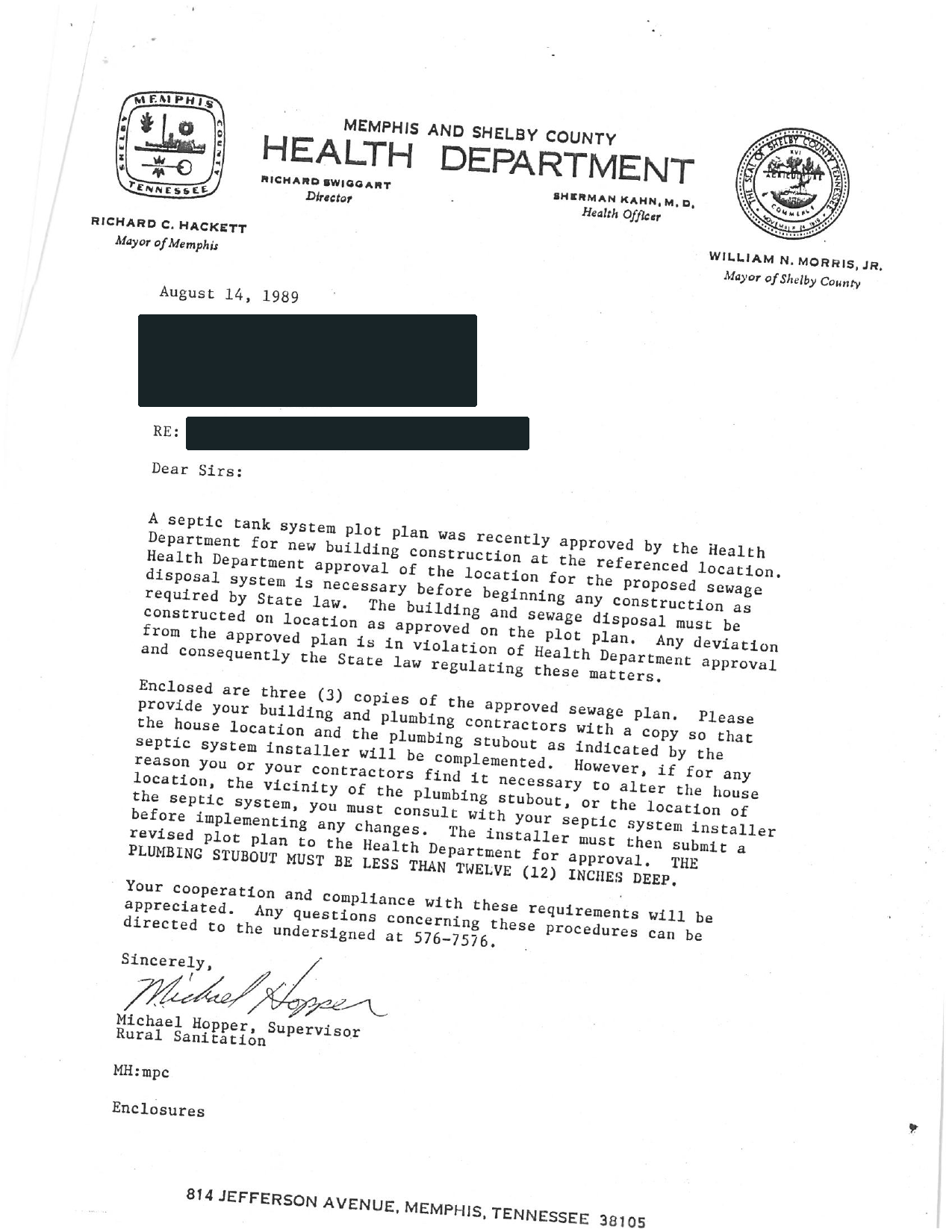
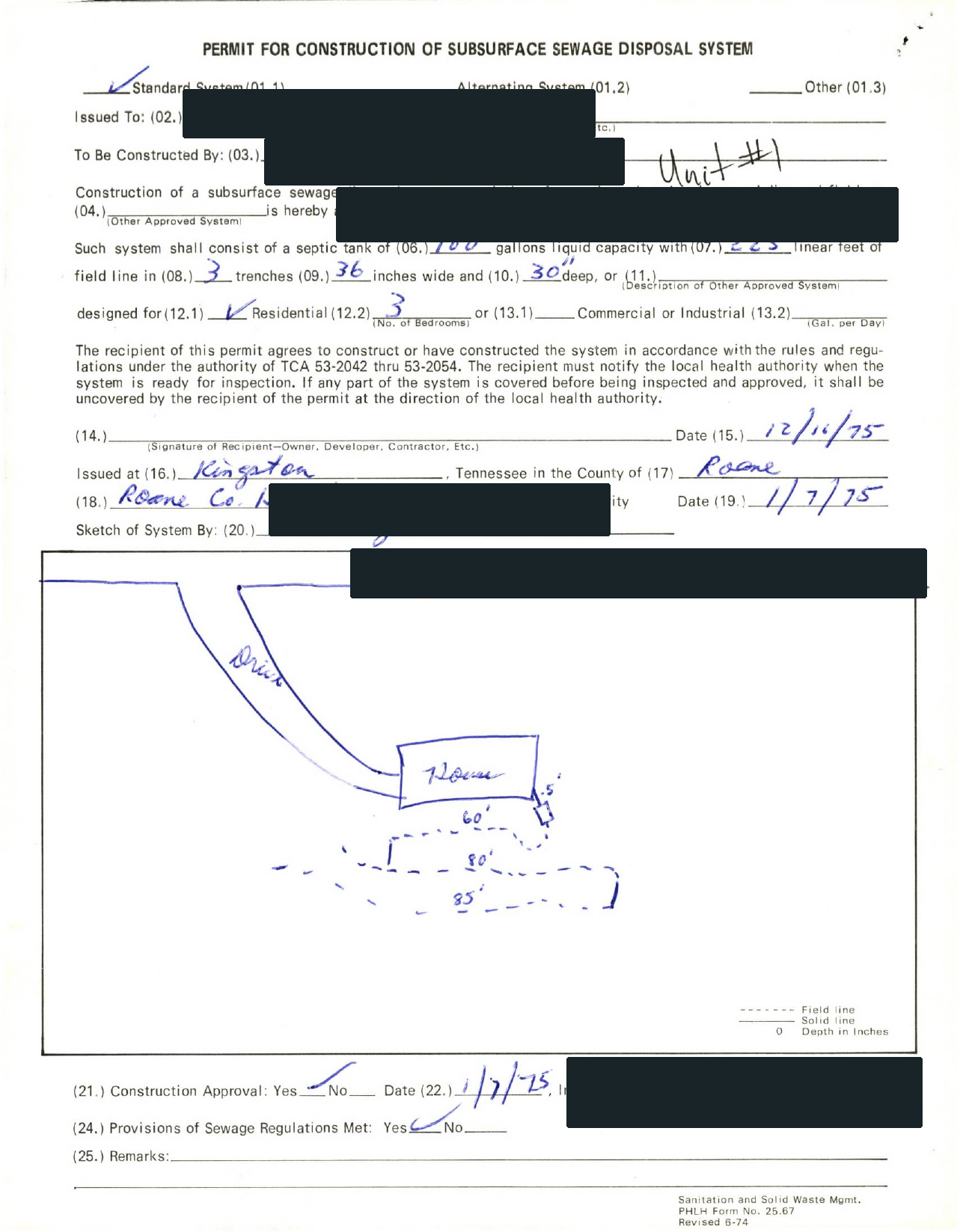
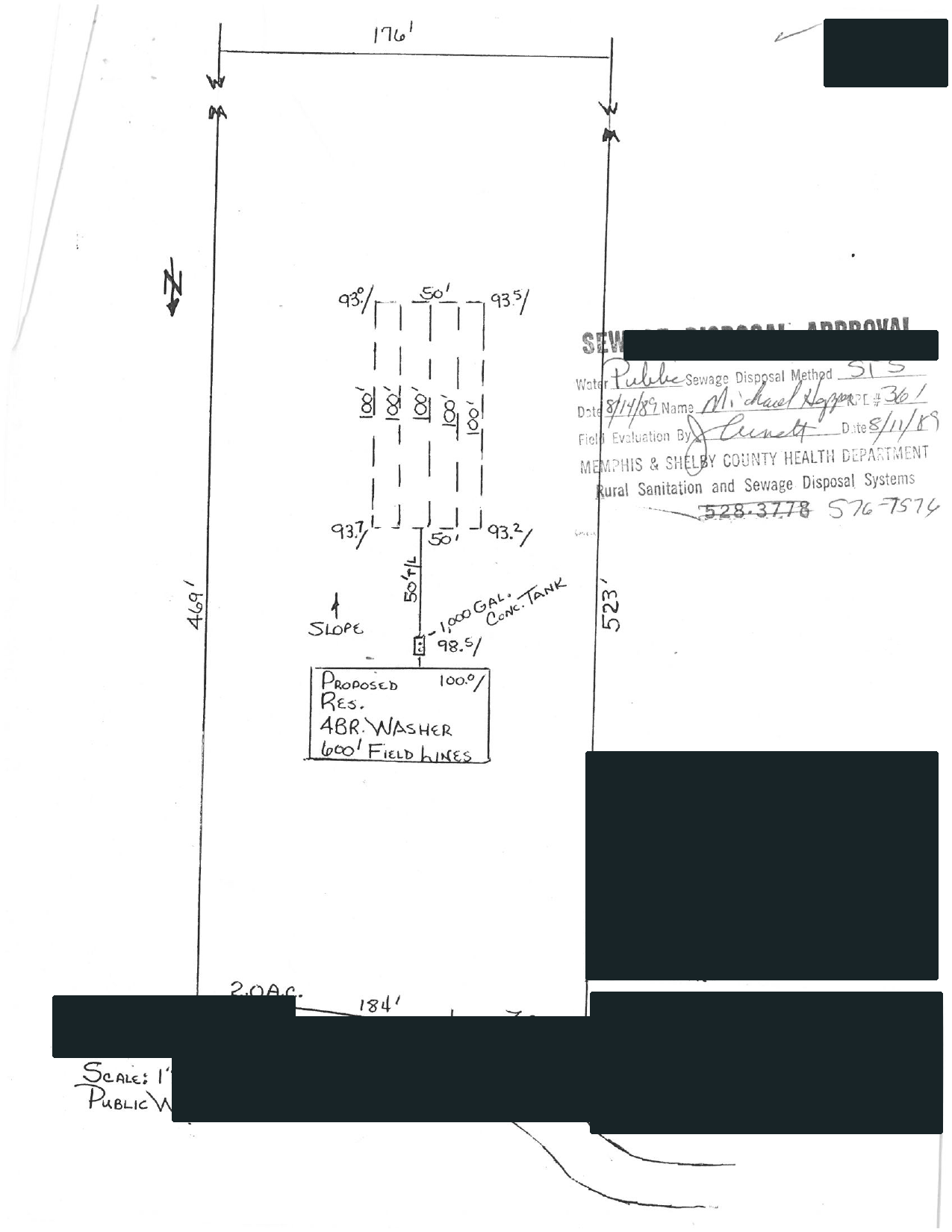
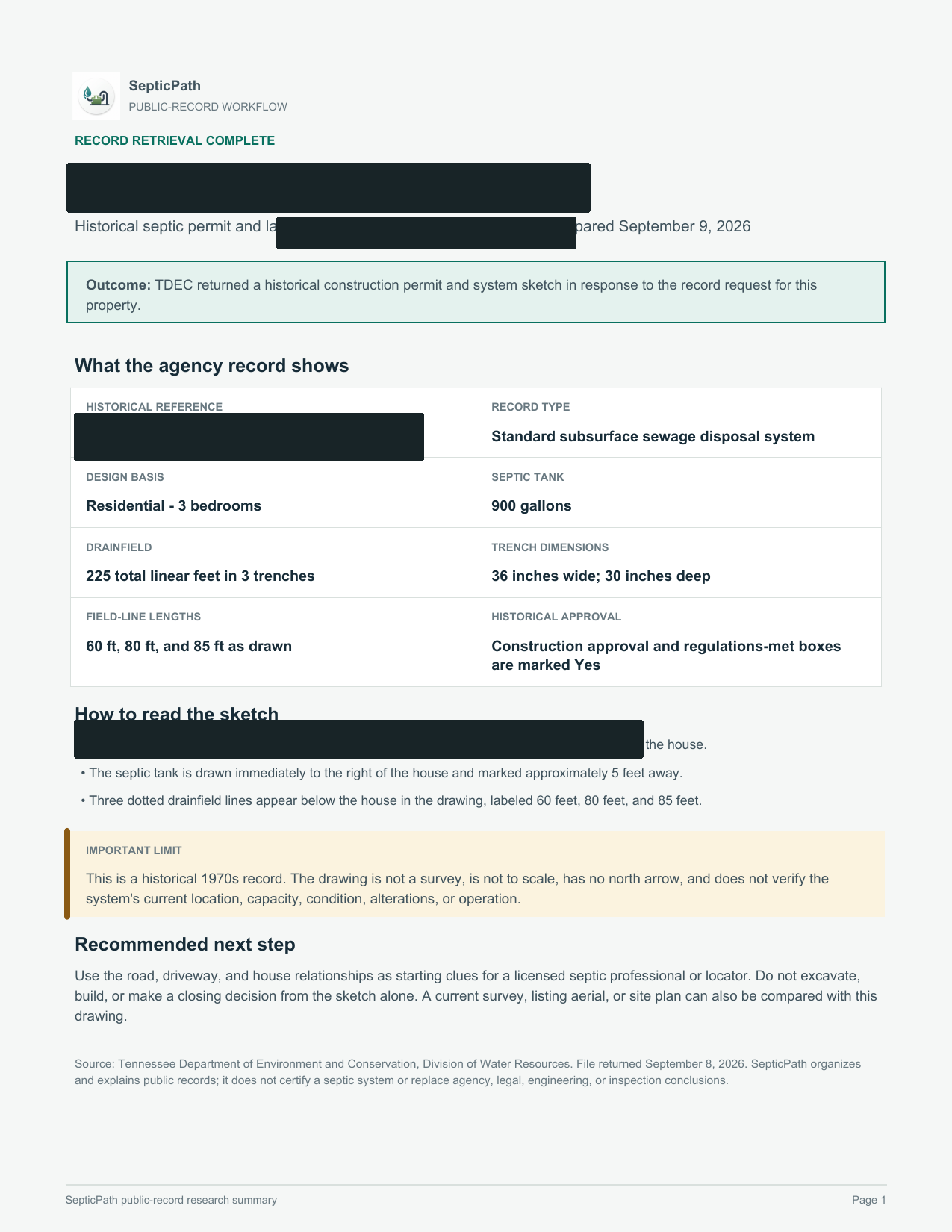
What to ask the county for

  • Any Hays County septic permit or customer-portal history tied to the parcel.
  • Any county note showing that subdivision-regulation issues still block the OSSF permit path.
  • Any complaint or county follow-up record tied to the property's septic system.

What breaks the low-end story

  • If the tract is already in violation of subdivision regulations, the low-end septic story is not ready for quoting.
  • A visible permit path means less if the county complaint or enforcement side is still unresolved.
  • If the customer-portal history is thin, the property may still be missing key county context behind the septic story.
Source layer FAQs and official county sources Open when you need the source list or county-specific FAQ answers.

Why is Hays County stronger than a broad Texas records page?

Because Hays County makes subdivision compliance and customer-portal routing part of the septic workflow instead of flattening everything into one statewide reminder.

What should a Hays County owner or buyer check first?

Start by confirming the tract is clear for county OSSF permitting, then check whether the customer-portal or complaint trail already shows a wider county issue.

Next best action

Use the state workflow after the county file is clearer

Once the county form, location, or record history is in hand, move back into the Texas records or permit page before you rely on a planning range.