This page is maintained as conservative homeowner guidance and updated when linked official materials or local workflow notes change.
St. Louis County Minnesota Septic Records Checklist
Do these before you trust a quote.
-
1
Open the county record path
View St. Louis County septic records
-
2
Verify the owning office
St. Louis County onsite wastewater office
-
3
Price only after the file is clearer
Do not move into pricing until the buyer or transfer artifact supports the same story, and the repair or complaint trail is resolved, because St. Louis County can look simpler on the surface than the real county workflow.
St. Louis County is one of the clearest Minnesota county wedges because the county pairs a real buying-and-selling septic workflow with public septic permit records and a direct permit path.
View St. Louis County septic records
St. Louis County makes the transaction risk visible early because the county spells out when inspection is required, when escrow is required, and how to pull septic permit records online.
Open county recordsSt. Louis County onsite wastewater office
St. Louis County Onsite Wastewater | 218-471-7103 | [email protected]
Open county office pageMinnesota records checklist
Use the state page when you still need the broader Minnesota rule story, sewer-availability context, or county-first workflow before a planning range.
Open Minnesota records checklistCounty detail Workflow structure, requests, and low-end breakers Open when you need the full county file logic behind the answer panel.
Why St. Louis County is worth its own page
St. Louis County makes the transaction risk visible early because the county spells out when inspection is required, when escrow is required, and how to pull septic permit records online.
Best for St. Louis County buyers, sellers, owners, and agents who need to know whether the system can pass transfer, what county records already exist, and whether escrow or replacement is the real next step.
County office and records path
Office path. St. Louis County onsite wastewater office
Records path. View St. Louis County septic records
St. Louis County Onsite Wastewater | 218-471-7103 | [email protected]
County workflow structure
File owner model
St. Louis County keeps the practical septic file at the county level, so the county office and its record return matter more than a generic statewide explanation.
First artifact to pull
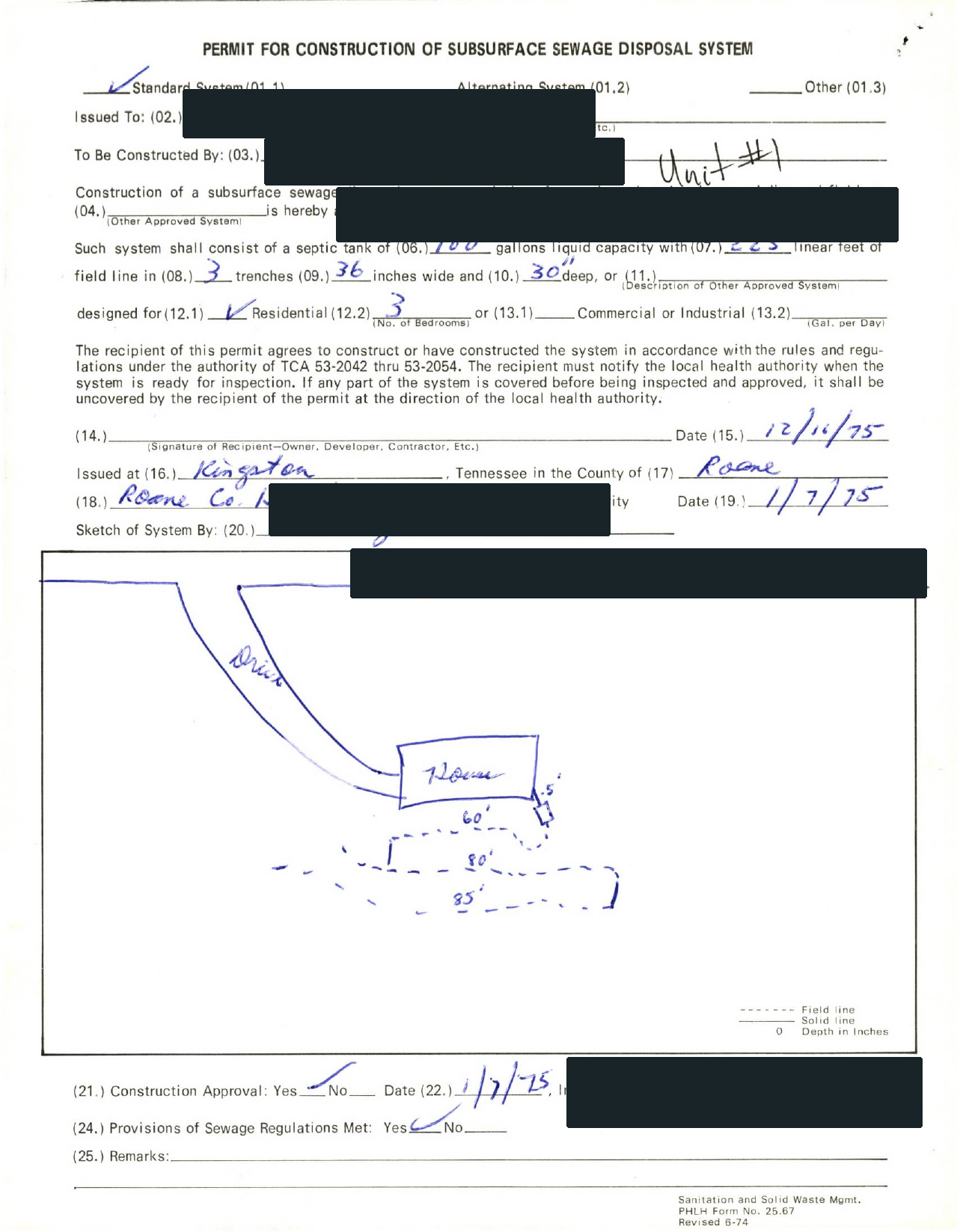
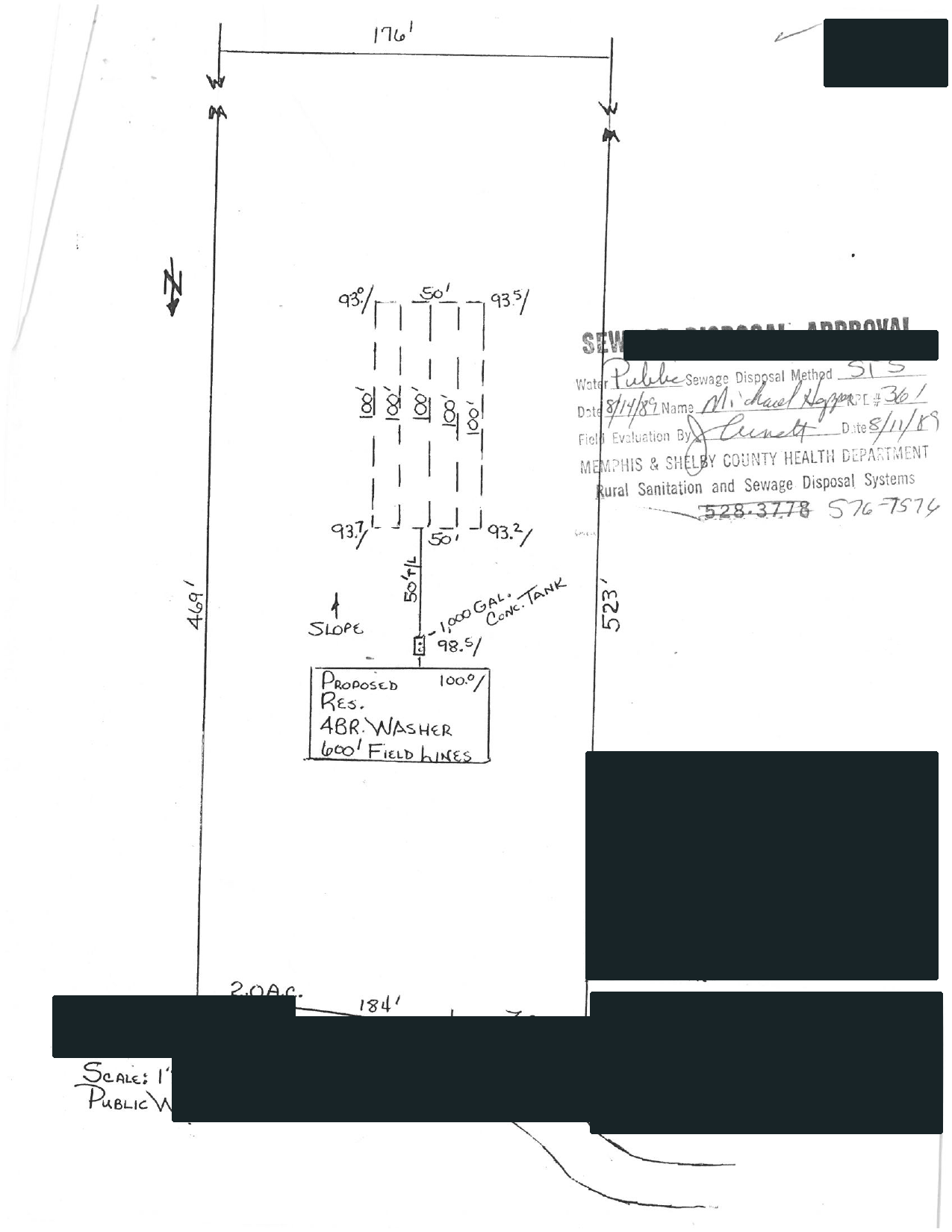
Any scanned sanitary permit or septic record available through the county Land Explorer.
Permit closeout signal
St. Louis County still needs a stronger closeout signal than the first permit mention before the file is safe to price against.
Transfer or buyer artifact
Any county estimate, transfer agreement, or escrow-related paperwork already assembled for a pending sale.
Special program or local exception
St. Louis County still rewards checking for local program, area-rule, or file-resolution friction before the parcel is treated as routine.
Malfunction or repair trail
St. Louis County has a real repair-side branch, so the repair or failure file matters before anyone assumes the cheapest visible scope is still available.
Do not price yet when
Do not move into pricing until the buyer or transfer artifact supports the same story, and the repair or complaint trail is resolved, because St. Louis County can look simpler on the surface than the real county workflow.
How this county workflow usually unfolds
- Start with the county buying-and-selling page to confirm whether the parcel needs a fresh septic compliance inspection before transfer.
- Open the county septic records page next to see whether permit scans and prior county paperwork are already available online.
- If the file is weak or the system may not pass, shift to the county permit workflow before trusting a contractor quote or closing plan.
What to ask the county for
- Any scanned sanitary permit or septic record available through the county Land Explorer.
- Any prior certificate of compliance, notice of nonconforming, or non-compliance paperwork tied to the parcel.
- Any county estimate, transfer agreement, or escrow-related paperwork already assembled for a pending sale.
What breaks the low-end story
- If the system is non-compliant or an imminent threat, the county can push the deal into replacement and escrow territory quickly.
- If the county record trail is incomplete, a low repair number may be based on the wrong system layout or approval history.
- If winter or point-of-sale conditions delay inspection, the transaction may still need escrow even before replacement pricing is settled.
Source layer FAQs and official county sources Open when you need the source list or county-specific FAQ answers.
What is the first St. Louis County septic record to check?
Start with the county septic records page because St. Louis County publishes scanned sanitary permits online for public review.
Why is St. Louis County a strong county wedge?
Because the county combines transfer inspection rules, escrow triggers, public septic records, and a live permit path inside official county sources.
- St. Louis County Buying/Selling Property
- St. Louis County Septic Records
- St. Louis County Apply for a Septic Permit
Use the state workflow after the county file is clearer
Once the county form, location, or record history is in hand, move back into the Minnesota records or permit page before you rely on a planning range.
Related Minnesota pages
-
Buying a House With a Septic System in Minnesota
Use this when the property deal, not just the system price, is driving risk.
-
Minnesota Septic Permit Process
Use this when the next office, permit step, or approval sequence is the real bottleneck.
-
Minnesota septic guide
Open the Minnesota guide for permit path, local office, and records workflow context.
-
Minnesota Septic Records Checklist
Use this when the file is thinner than the current seller, owner, or contractor story.