UT county records page

Utah County Utah Septic Records Checklist

County file first

Do these before you trust a quote.

  1. 1
    Open the county record path

    Open the Utah County septic system lookup application

  2. 2
    Verify the owning office

    Utah County onsite wastewater office

  3. 3
    Price only after the file is clearer

    Do not move into pricing until the file owner is fully resolved, and the buyer or transfer artifact supports the same story, because Utah County can look simpler on the surface than the real county workflow.

Utah County is a strong Utah county wedge because the health department publishes a direct septic tank lookup application, lists wastewater file-search and loan-clearance search fees, and the county building permit application explicitly requires health department wastewater approval when applicable.

County-specific workflow Utah County, UT Records-first wedge
Prepared by
Homeowner Planning Desk Planning editor Turns state rules, permit friction, and buyer-risk signals into estimate-first homeowner guidance.
Reviewed by
State Source Review Desk Source reviewer Checks official links, verification dates, and local workflow notes before a page stays public.
Reviewed against
Reviewed against 3 official county or state sources tied to this county workflow.
Last reviewed
2026-05-07

This page is maintained as conservative homeowner guidance and updated when linked official materials or local workflow notes change.

Open the county record path first

Open the Utah County septic system lookup application

Utah County stands out because the county makes three practical file problems visible at once: locating the old septic record, paying for a formal wastewater file search or loan-clearance search, and proving wastewater approval before building permits move forward.

Open county records
Price only after the file is clearer

Utah records checklist

Use the state page when you still need the broader Utah rule story, sewer-availability context, or county-first workflow before a planning range.

Open Utah records checklist
County detail Workflow structure, requests, and low-end breakers Open when you need the full county file logic behind the answer panel.

Why Utah County is worth its own page

Utah County stands out because the county makes three practical file problems visible at once: locating the old septic record, paying for a formal wastewater file search or loan-clearance search, and proving wastewater approval before building permits move forward.

Best for Utah County owners, buyers, lenders, and remodel applicants who need to know whether a county septic file exists and whether the health approval lane still controls the next permit step.

County workflow structure

File owner model

Utah County Environmental Health or the local health district is the practical file owner, and the real county story starts there rather than at a generic statewide desk.

First artifact to pull

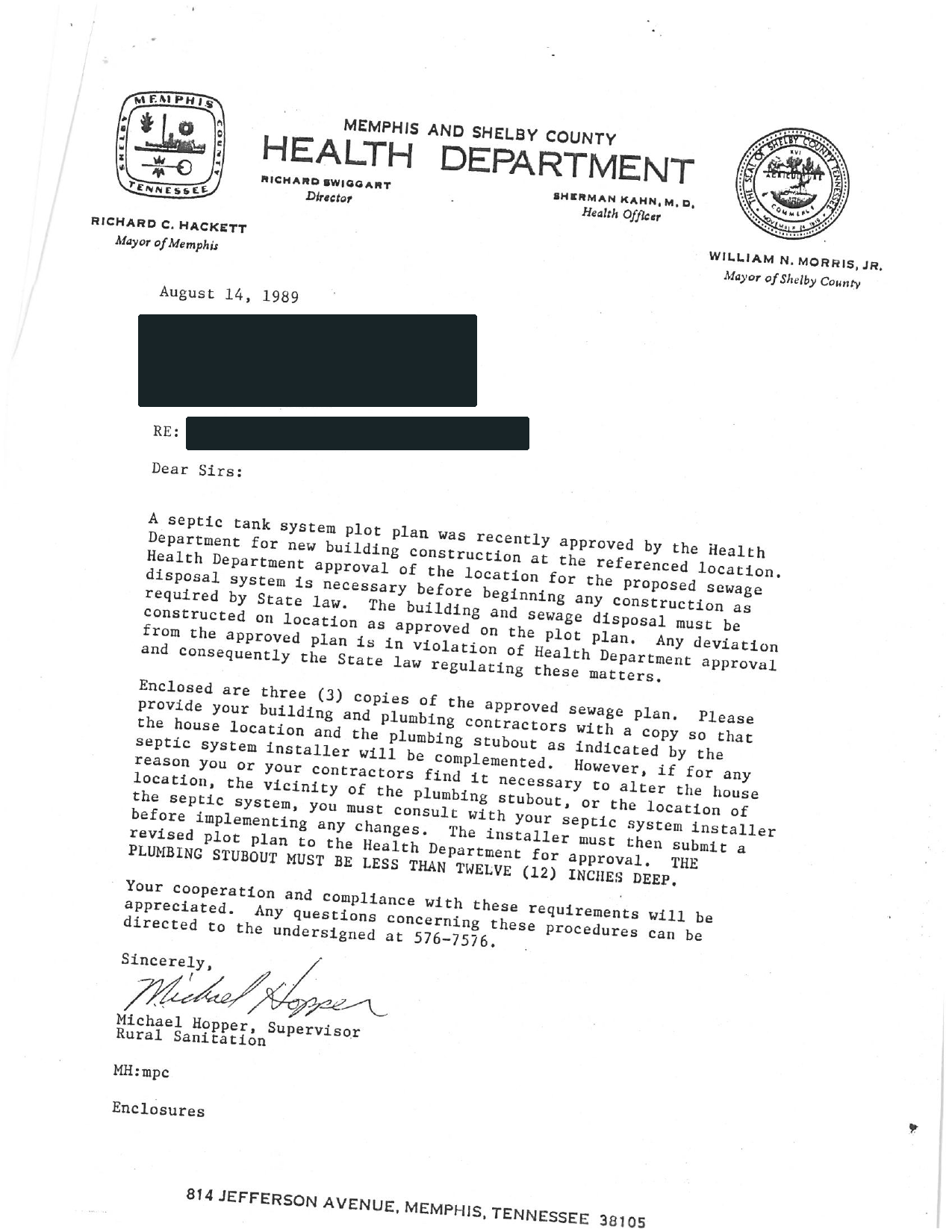
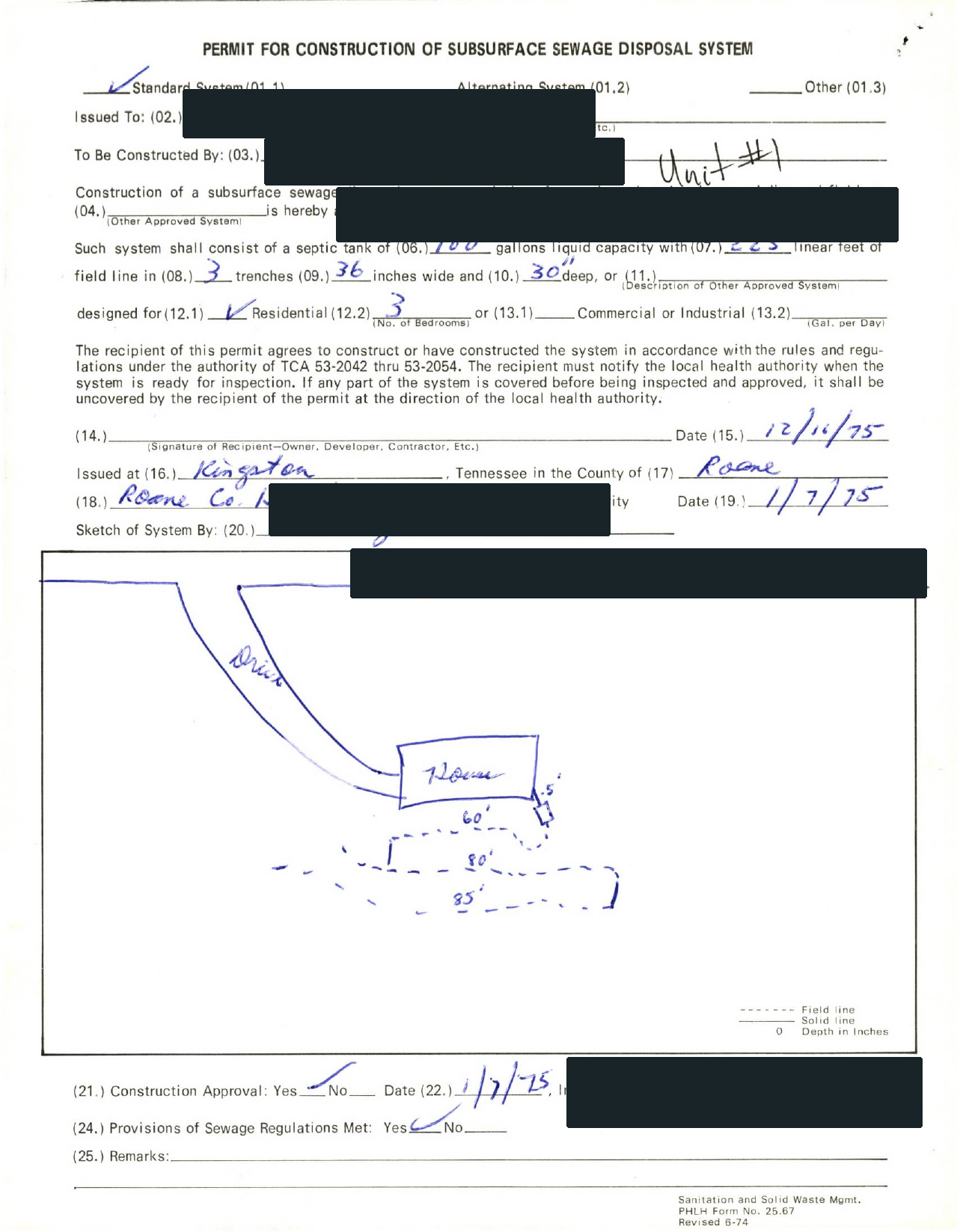
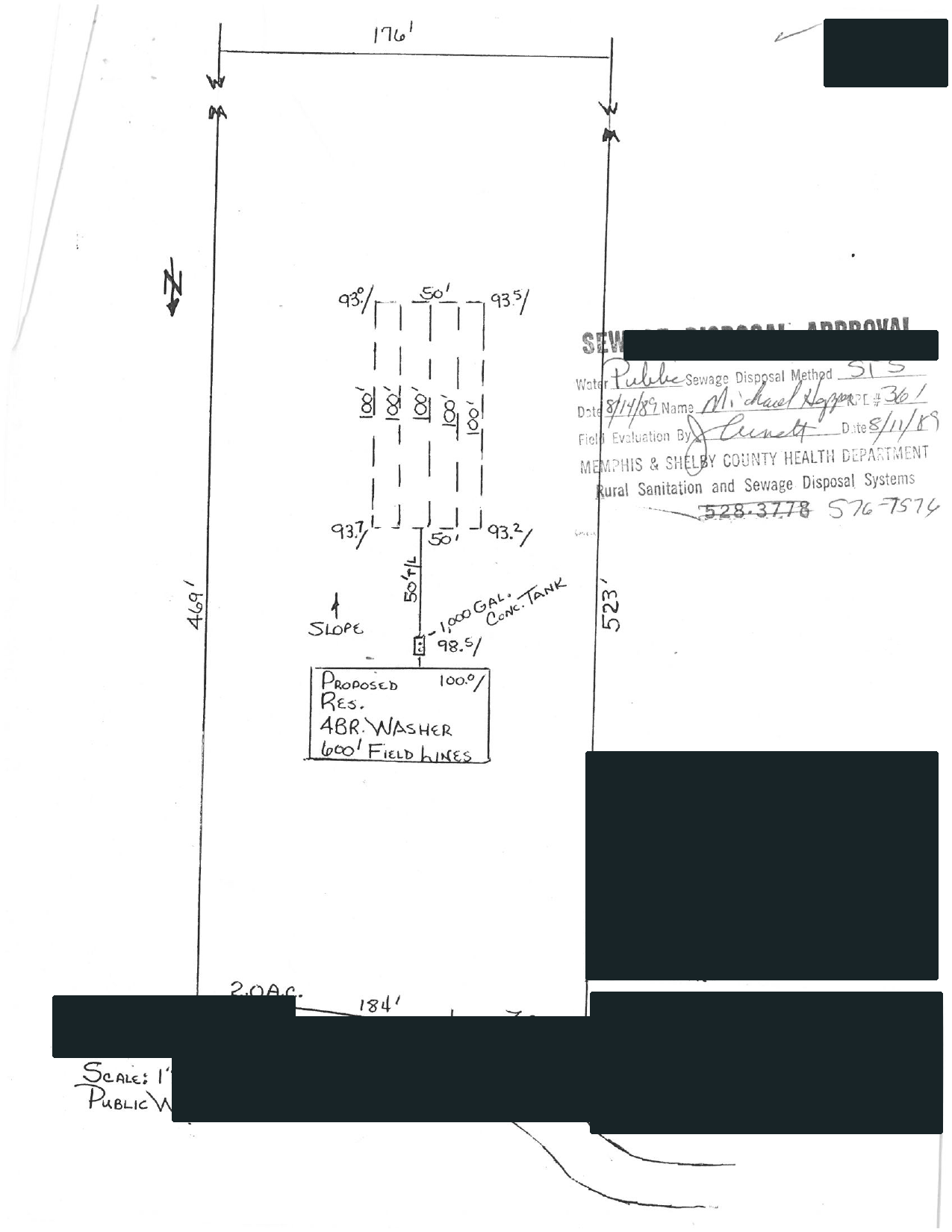
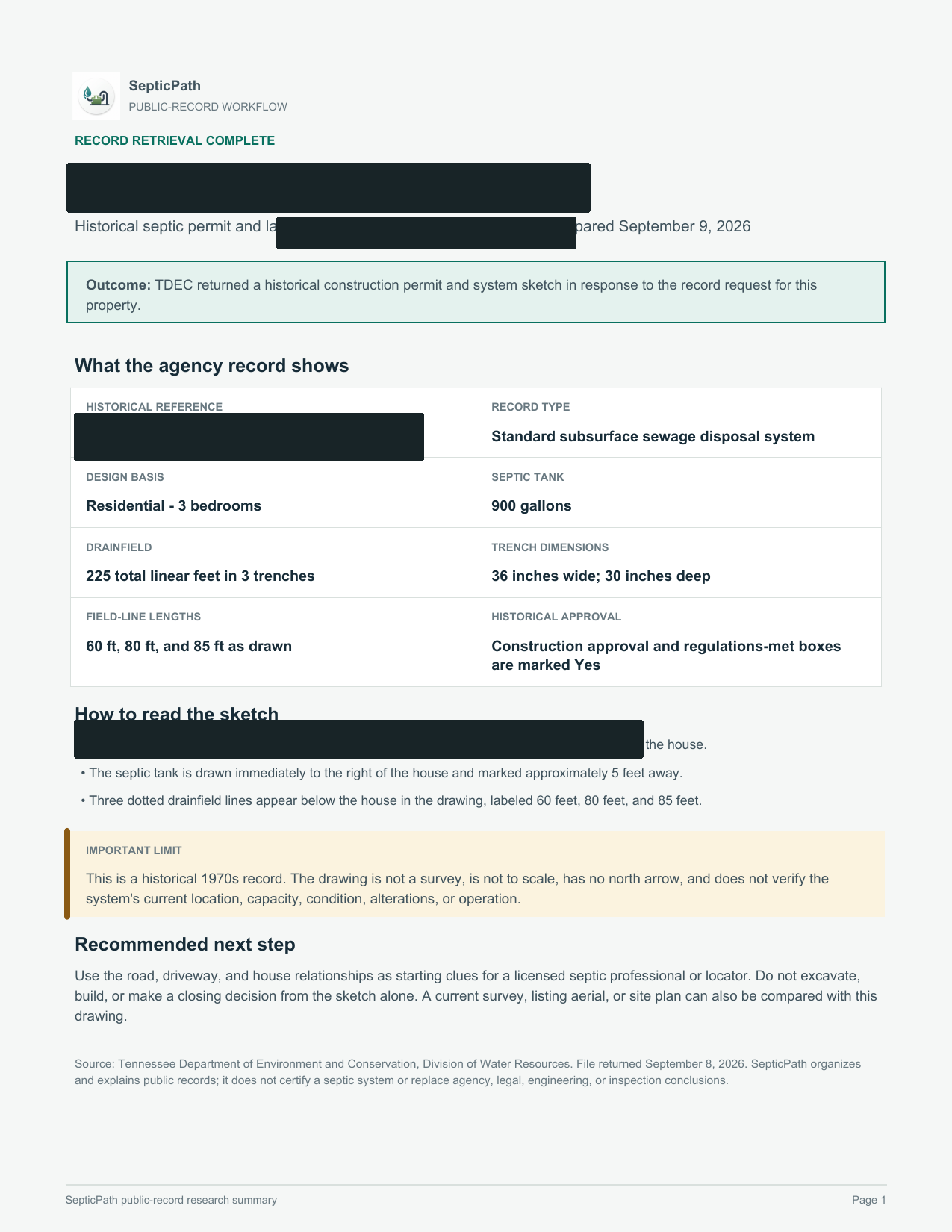
The Utah County septic system lookup response tied to the tax serial number and property address.

Permit closeout signal

Utah County still needs a stronger closeout signal than the first permit mention before the file is safe to price against.

Transfer or buyer artifact

Any wastewater file-search or loan-clearance materials the health department can provide for the property.

Special program or local exception

Utah County still rewards checking for local program, area-rule, or file-resolution friction before the parcel is treated as routine.

Malfunction or repair trail

Utah County still needs a repair-or-complaint check before a clean-looking system story is treated as complete.

Do not price yet when

Do not move into pricing until the file owner is fully resolved, and the buyer or transfer artifact supports the same story, because Utah County can look simpler on the surface than the real county workflow.

How this county workflow usually unfolds

  1. Start with the septic system lookup application if the first problem is simply proving what the county has on file for the parcel.
  2. If the property is headed toward lending, sale, or deeper review, use the health department's published wastewater fee schedule to gauge whether a file search or loan-clearance search is already part of the real workflow.
  3. If the property needs a building permit, check the county permit application early because wastewater approval from the health department is explicitly built into the county permit intake.

What to ask the county for

  • The Utah County septic system lookup response tied to the tax serial number and property address.
  • Any wastewater file-search or loan-clearance materials the health department can provide for the property.
  • Any wastewater approval or public-system signoff tied to a Utah County building permit application for the parcel.

What breaks the low-end story

  • If the lookup cannot surface a usable county septic file, the buyer or contractor story is still too thin.
  • If a loan-clearance or file-search step is needed, the transaction is already more records-dependent than a simple septic estimate implies.
  • If building permit approval still hinges on health department wastewater signoff, the addition or remodel timeline can widen fast.
Source layer FAQs and official county sources Open when you need the source list or county-specific FAQ answers.

Does Utah County publish a septic lookup path?

Yes. Utah County Health Department publishes a septic tank lookup application that asks for the property tax number and prior address details so the county can search its wastewater files.

Why is Utah County strong for a septic records page?

Because Utah County exposes a direct lookup application, formal wastewater file-search and loan-clearance fees, and county building permit approval that depends on wastewater review.

Next best action

Use the state workflow after the county file is clearer

Once the county form, location, or record history is in hand, move back into the Utah records or permit page before you rely on a planning range.