IN county records page

Floyd County Indiana Septic Records Checklist

County file first

Do these before you trust a quote.

  1. 1
    Open the county record path

    Open Floyd County public-records request

  2. 2
    Verify the owning office

    Floyd County septic systems office

  3. 3
    Price only after the file is clearer

    Do not move into pricing until the file owner is fully resolved, the buyer or transfer artifact supports the same story, and the repair or complaint trail is resolved, because Floyd County can look simpler on the surface than the real county workflow.

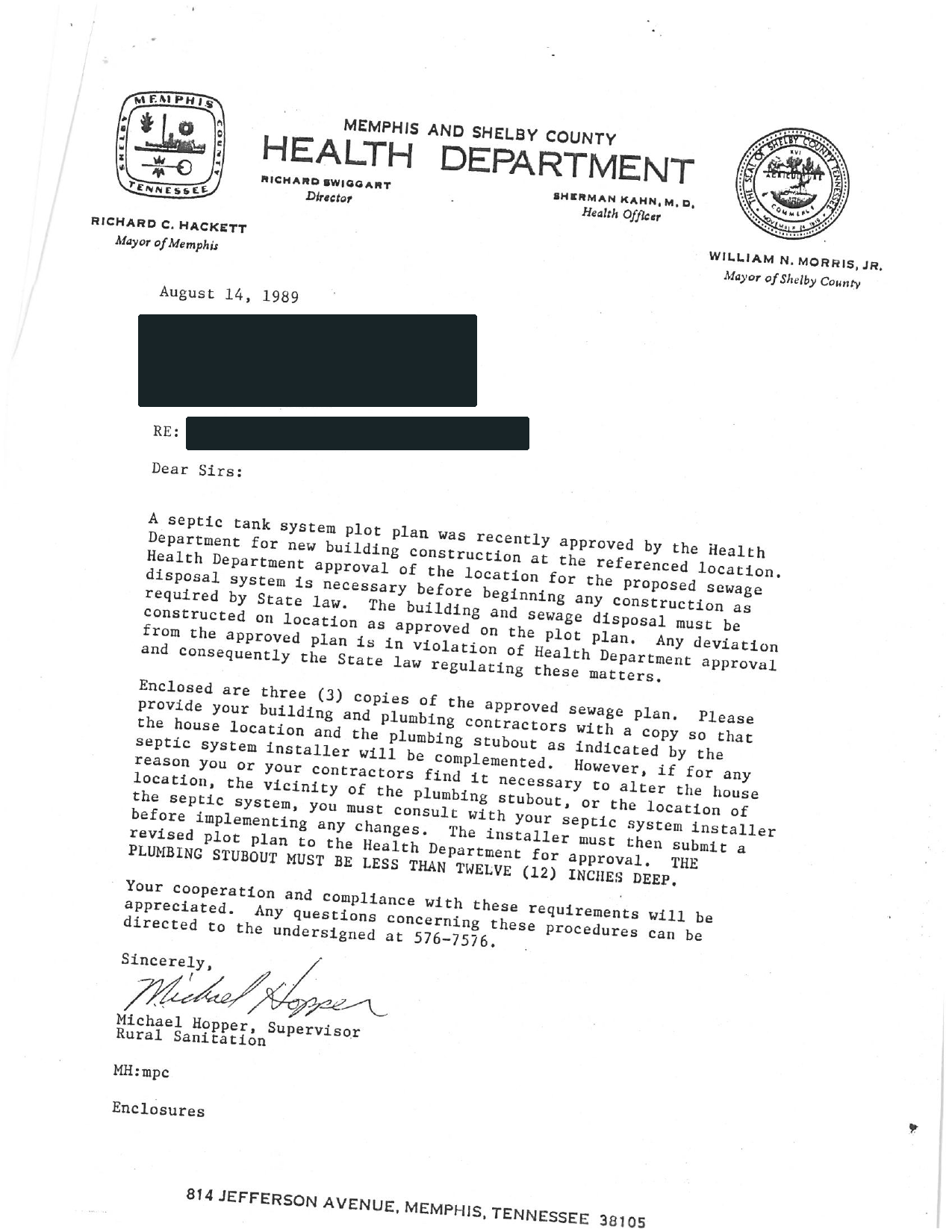
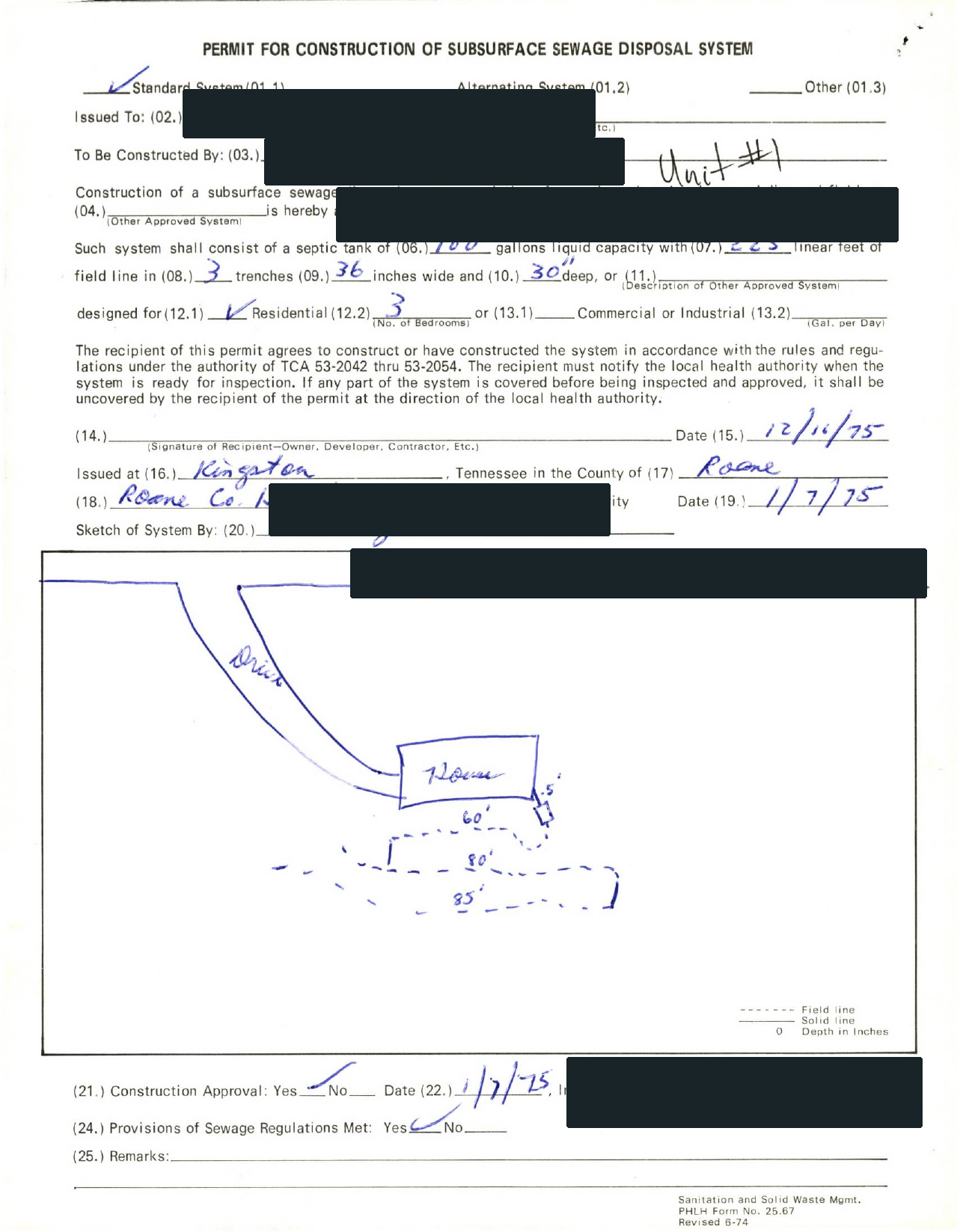
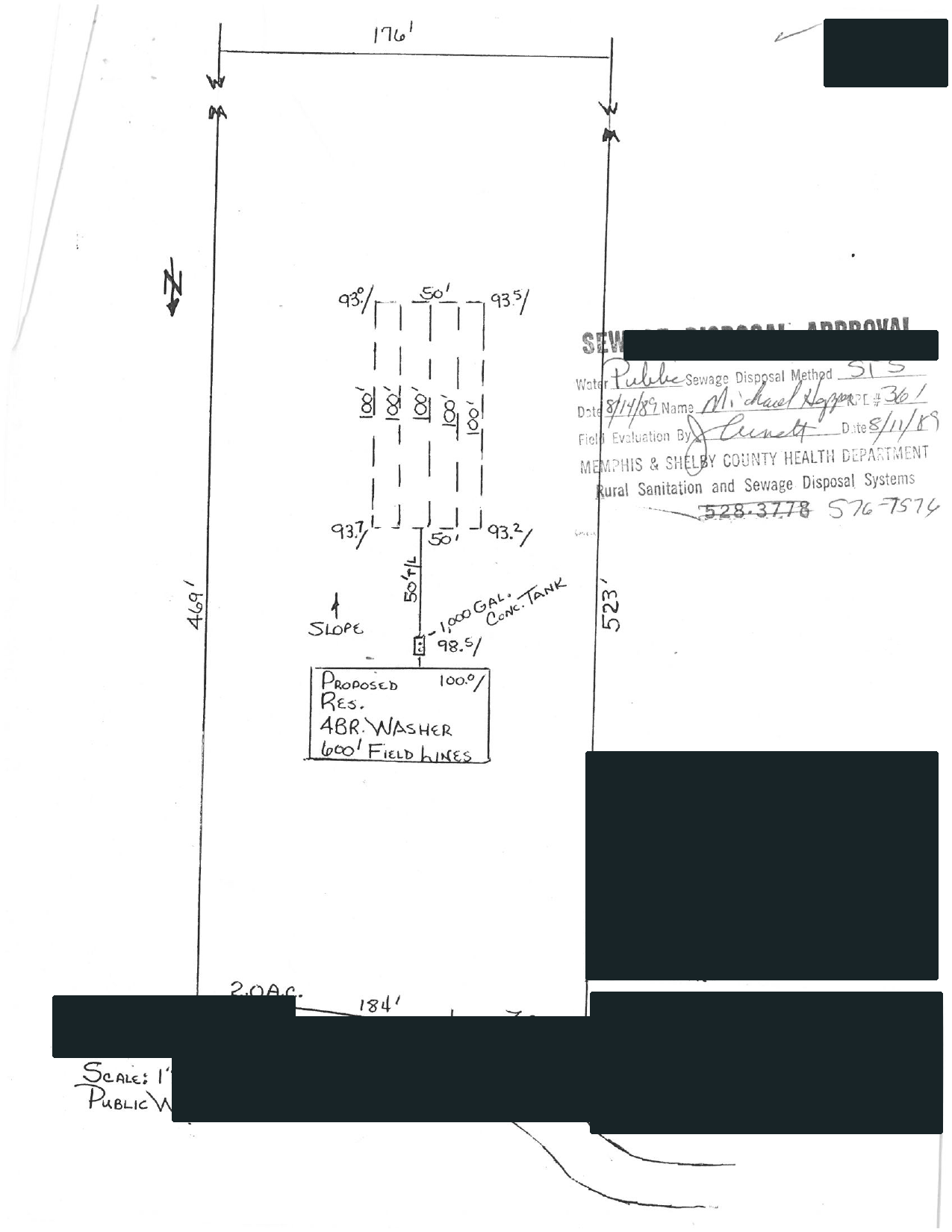
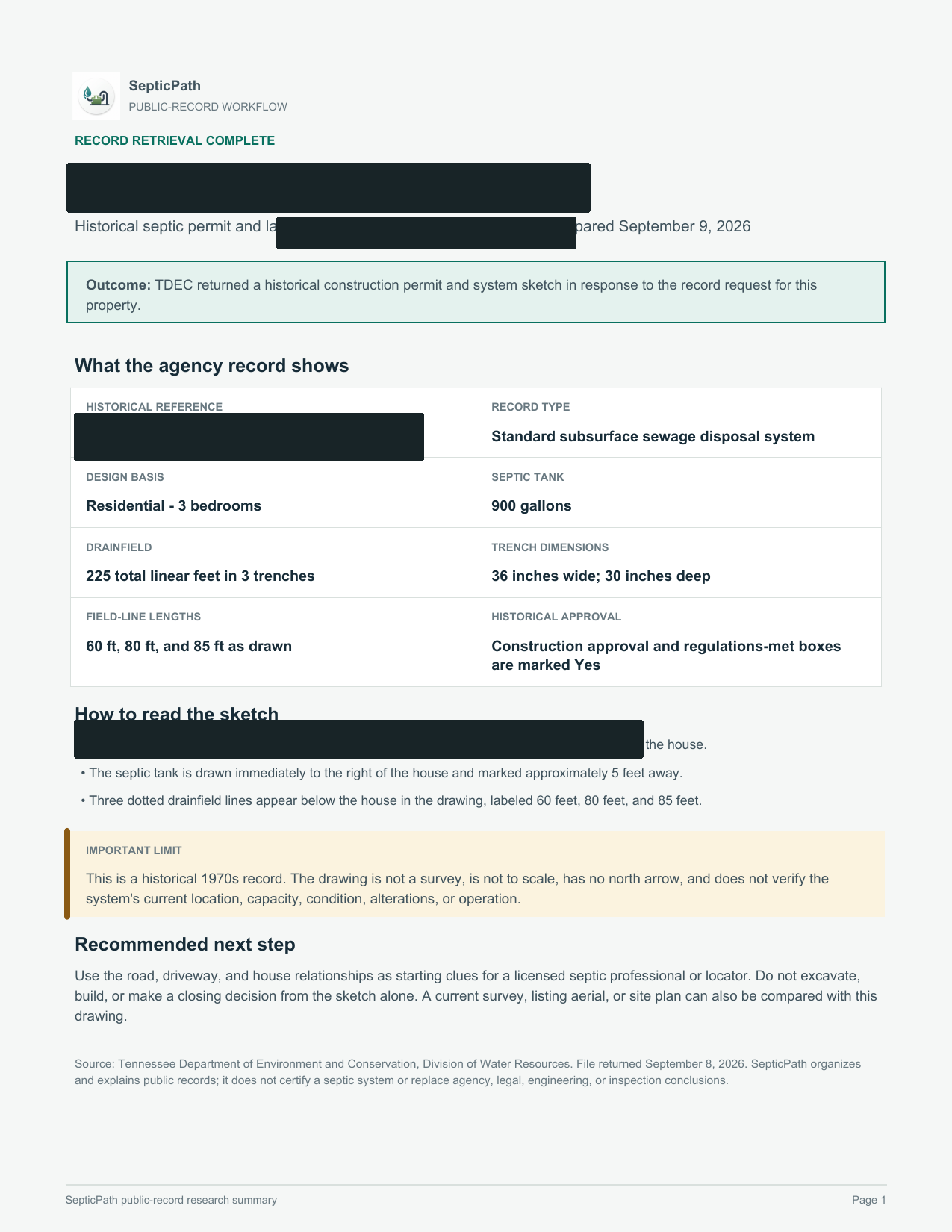
Floyd County is one of the clearest Indiana county wedges because the health department explicitly tells owners to request septic records through its public-records form and warns that its office only has septic records back to 1974. That is exactly the kind of county-specific friction the state guide cannot capture alone.

County-specific workflow Floyd County, IN Records-first wedge
Prepared by
Homeowner Planning Desk Planning editor Turns state rules, permit friction, and buyer-risk signals into estimate-first homeowner guidance.
Reviewed by
State Source Review Desk Source reviewer Checks official links, verification dates, and local workflow notes before a page stays public.
Reviewed against
Reviewed against 2 official county or state sources tied to this county workflow.
Last reviewed
2026-04-04

This page is maintained as conservative homeowner guidance and updated when linked official materials or local workflow notes change.

Open the county record path first

Open Floyd County public-records request

Floyd County makes three useful things public at once: repair and replacement applications, repair and replacement permit fees, and a specific public-records route for septic history. That lets homeowners separate a missing-file problem from a straightforward repair job fast.

Open county records
Price only after the file is clearer

Indiana records checklist

Use the state page when you still need the broader Indiana rule story, sewer-availability context, or county-first workflow before a planning range.

Open Indiana records checklist
County detail Workflow structure, requests, and low-end breakers Open when you need the full county file logic behind the answer panel.

Why Floyd County is worth its own page

Floyd County makes three useful things public at once: repair and replacement applications, repair and replacement permit fees, and a specific public-records route for septic history. That lets homeowners separate a missing-file problem from a straightforward repair job fast.

Best for Floyd County buyers, owners, and agents who need to know whether the county file is strong enough to support a repair, replacement, or transaction conversation.

County workflow structure

File owner model

Floyd County Environmental Health or the local health district is the practical file owner, and the real county story starts there rather than at a generic statewide desk.

First artifact to pull

Any septic record the county can still surface for the parcel through the public-records request path.

Permit closeout signal

Floyd County still needs a stronger closeout signal than the first permit mention before the file is safe to price against.

Transfer or buyer artifact

Any site-approval or inspection material that explains whether the lot already had county setbacks or structure conflicts.

Special program or local exception

Floyd County still rewards checking for local program, area-rule, or file-resolution friction before the parcel is treated as routine.

Malfunction or repair trail

Floyd County has a real repair-side branch, so the repair or failure file matters before anyone assumes the cheapest visible scope is still available.

Do not price yet when

Do not move into pricing until the file owner is fully resolved, the buyer or transfer artifact supports the same story, and the repair or complaint trail is resolved, because Floyd County can look simpler on the surface than the real county workflow.

How this county workflow usually unfolds

  1. Open the Floyd County septic systems page first and decide whether you are dealing with new construction, repair and replacement, or site-approval fallout.
  2. Use the Floyd County public-records request path to ask for septic records instead of relying on seller memory, especially because the county notes its septic records only go back to 1974.
  3. Compare the record trail against the county's repair and replacement application path and fees before you treat a contractor quote as the real scope.

What to ask the county for

  • Any septic record the county can still surface for the parcel through the public-records request path.
  • Any repair or replacement application history already tied to the property.
  • Any site-approval or inspection material that explains whether the lot already had county setbacks or structure conflicts.

What breaks the low-end story

  • If the county file is incomplete because the system predates the records available from 1974 forward, the low-end story gets weaker fast.
  • Floyd County's repair and replacement fees are visible, but fee visibility is not the same thing as file clarity.
  • If the county file points to structure conflicts, older repairs, or pump replacement issues, a simple repair quote can widen quickly.
Source layer FAQs and official county sources Open when you need the source list or county-specific FAQ answers.

How do you pull septic records in Floyd County?

Floyd County tells owners to request septic records through its public-records request path, and the county notes that its office only has septic records dated back to 1974.

Why does Floyd County belong in the records wedge instead of only the permit wedge?

Because the county explicitly couples repair and replacement permits with a public-records route, so file quality and permit cost have to be read together.

Official county sources
Next best action

Use the state workflow after the county file is clearer

Once the county form, location, or record history is in hand, move back into the Indiana records or permit page before you rely on a planning range.

Related Indiana pages