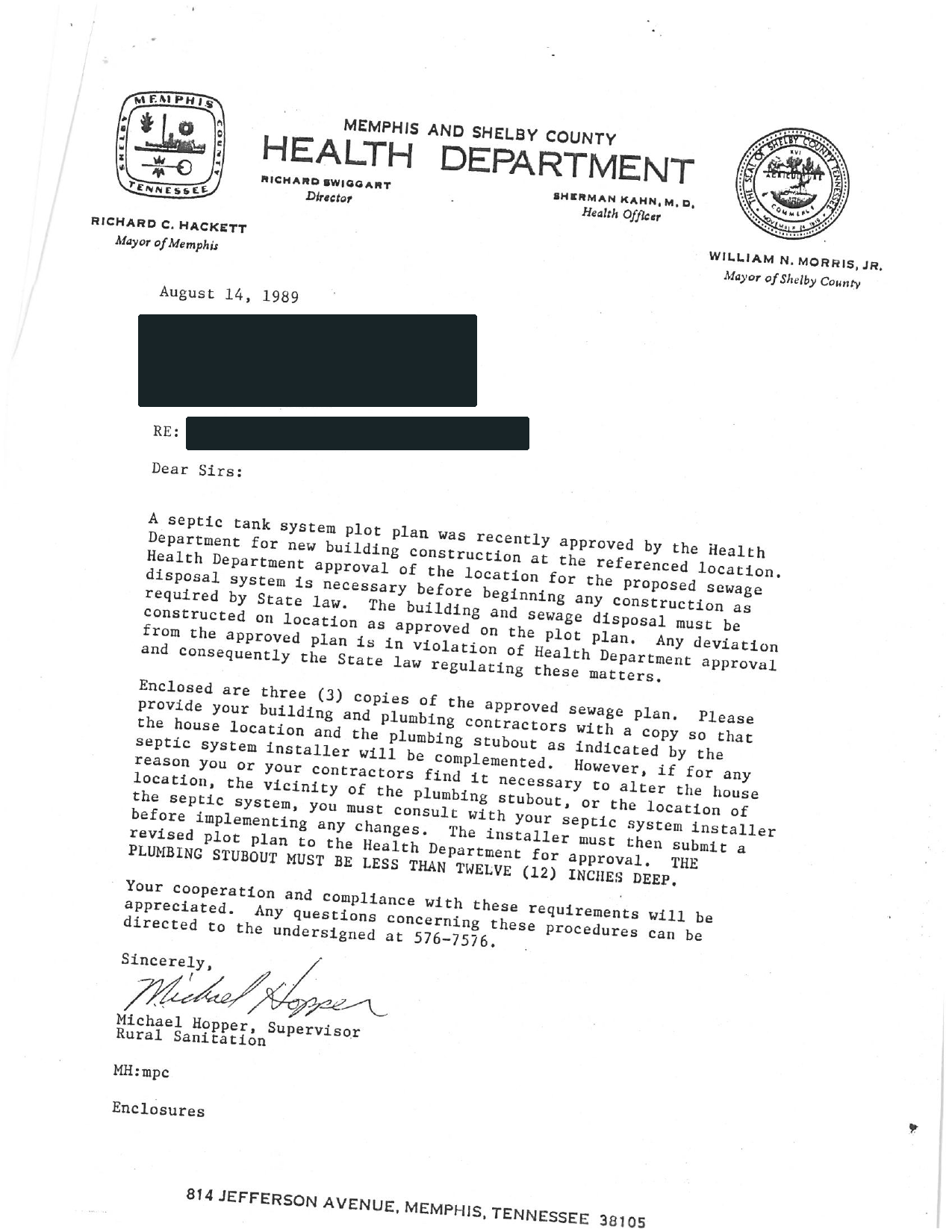
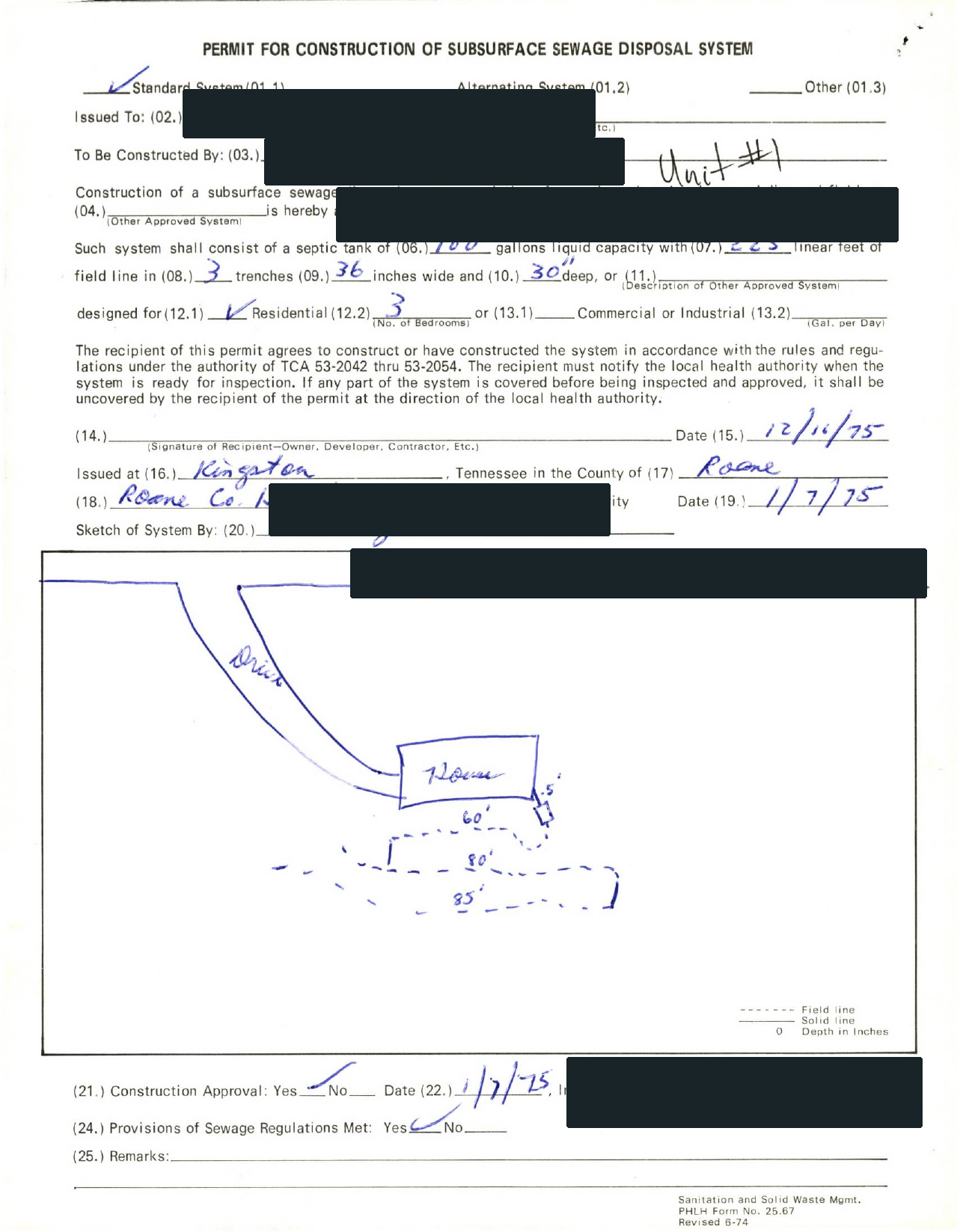
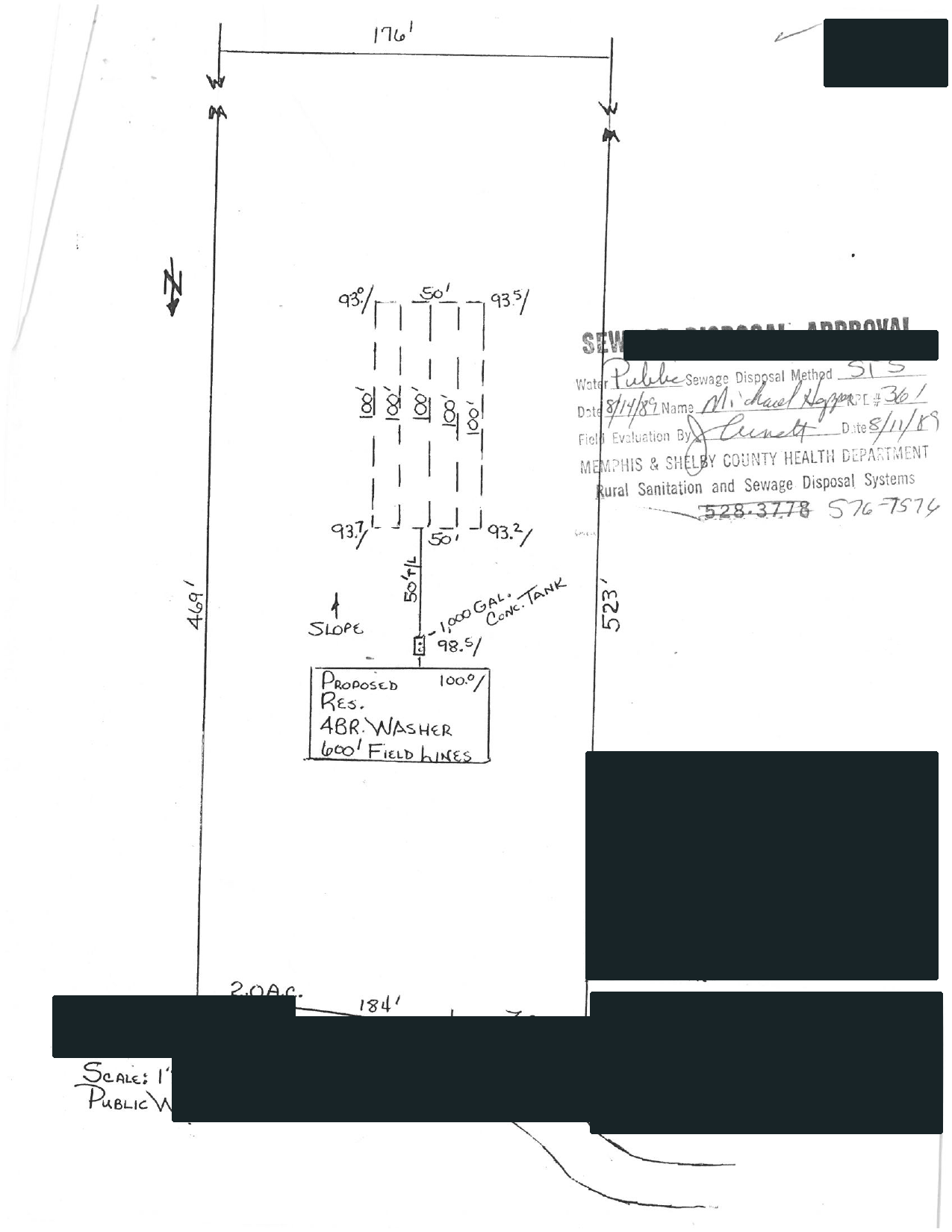
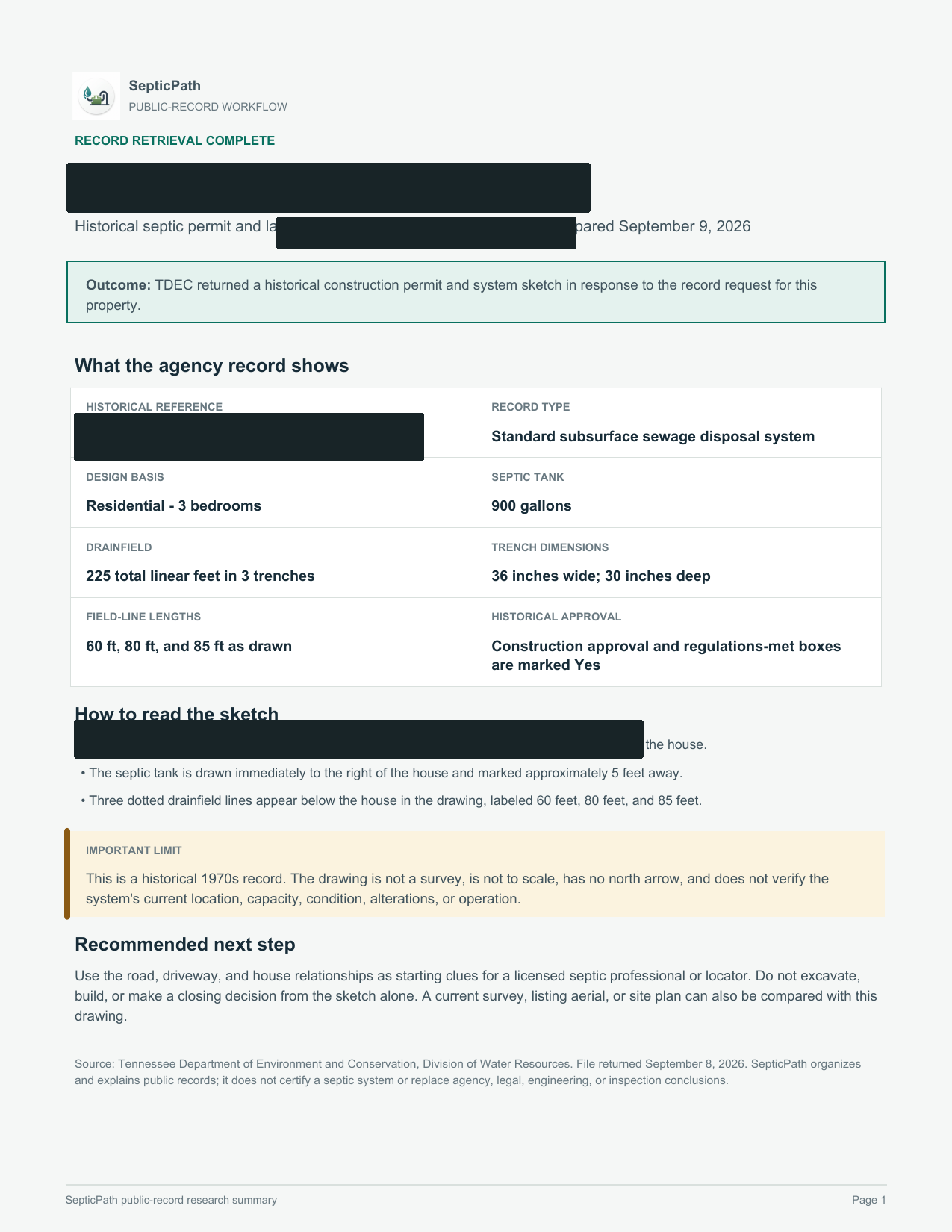
This page is maintained as conservative homeowner guidance and updated when linked official materials or local workflow notes change.
North Carolina Septic Records Checklist
North Carolina records research is stronger when it starts with the county health department path. The most useful documents are the ones that explain whether the old site and permit history still support a simple homeowner estimate today.
Decision router Decision router for North Carolina records work Use this when the records page is still broad and you need the fastest route to the county file, first artifact, and pricing gate.
Resolve first
Pull the county file and match it to the parcel before you trust any seller, owner, or contractor story.
Pull first
Parcel identifier, address, owner name, or permit number needed to pull the county file.
Escalate to county when
You already have the parcel, address, or owner in hand and the next real move is pulling the county file.
Hold pricing when
Do not move into quote mode while the parcel, GIS, or records-request trail is still missing.
Use these ranges only after the file path is clear.
Replacement planning midpoint runs about 6% below the current national planning midpoint. These figures are planning-only ranges, not an official fee schedule.
Find the office holding the file
Use the local office first when you want to move from a planning page into an actual permit or records workflow.
Open local authority sourceOpen the records trail first
Use the existing record trail to confirm whether this property still fits the low end before you move into quote mode.
Open records lookupState context Quick facts, fit, and workflow details Open when you need the full state context behind the answer panel.
Quick facts
| Rule style | hybrid | Override risk | medium |
|---|---|---|---|
| Last verified | 2026-03-09 | Official sources | 4 |
| Local verification links | 2 | Records links | 2 |
| Public sizing signal | Conservative fallback range | Primary first call | Start with the county health department because North Carolina's improvement-permit, construction-authorization, and operation-permit ladder is locally administered. |
| County-backed first pull | Parcel identifier, address, owner name, or permit number needed to pull the county file. | Hold pricing when | Do not move into quote mode while the parcel, GIS, or records-request trail is still missing. |
File check checklist
- Use the county health department directory before assuming a generic North Carolina permit path.
- Ask whether an improvement permit, construction authorization, and operation permit already exist for the site.
- If the property changed use or grew in size, confirm whether the old permit assumptions still hold.
Who this page is for
Best for North Carolina buyers and owners who need to know whether the county file still supports the current septic story or whether the permit ladder already hints at a more complex next step.
- The project looks simple, but the county health file has not been reviewed yet.
- The homeowner needs to confirm whether the improvement permit and later permit stages still fit the current property.
- You need to know whether the old file points toward a straightforward path or more friction than the quote suggests.
What changes this page in North Carolina
Best for North Carolina buyers and owners who need to know whether the county file still supports the current septic story or whether the permit ladder already hints at a more complex next step. North Carolina's records page is useful because it connects county health files to the permit ladder and explains why that record trail matters before the homeowner trusts the quote.
Local health departments are central in North Carolina. The branch's resources and laws point to improvement permits, construction authorizations, and operation permits or certificates of completion after inspection. The first practical check is usually the office, file path, or reviewer identified in this state workflow: Start with the county health department because North Carolina's improvement-permit, construction-authorization, and operation-permit ladder is locally administered.
Systems over 3,000 gallons per day move into state review and professional design, which is a meaningful line for the public estimator. That is why this page pairs a planning estimate with official sources, records links, and a local checklist before you move into quote mode.
Permit path summary
Local health departments are central in North Carolina. The branch's resources and laws point to improvement permits, construction authorizations, and operation permits or certificates of completion after inspection.
Main estimate drivers in North Carolina
- Start with the county health department file for the current site and system.
- Request any improvement permit, construction authorization, or operation record tied to the property.
- Use the records to find out whether site history already points to a more complex replacement or permit path.
How this workflow usually unfolds in North Carolina
- Start with the county health department file for the property and identify the current permit-ladder documents already on record.
- Review the improvement permit, construction authorization, and operation record to see whether the current home still matches the old assumptions.
- Use any site, bedroom-count, or use-change history in the file to decide whether the next quote should stay simple or widen.
- Only after that records review should you move into inspection, repair, or replacement pricing.
State Pattern Summary How county files usually break down in North Carolina These county pages show the local branches that keep repeating in North Carolina. This summary is built from 21 live county workflows so you can decide which county file, replacement branch, or failure-side trigger matters before you treat the first cost number like the final answer.
Parcel and records lookup
County files often start with parcel, GIS, permit-search, or formal document-request lookup before anyone trusts the seller summary.
Ask the county for: Parcel identifier, address, owner name, or permit number needed to pull the county file.
Coverage: Seen across 20 live county pages.
Seen in: Alamance County, Brunswick County, Buncombe County
Transfer and buyer diligence
Buyer and transfer risk often lives in inspection, property-status, PTI, or completion artifacts rather than a generic permit copy.
Ask the county for: Transfer inspection, property status report, PTI-backed record, or buyer-side completion proof.
Coverage: Seen across 20 live county pages.
Seen in: Alamance County, Brunswick County, Buncombe County
Permit ladder and closeout file
Many county files are not one permit receipt. They usually widen into permit ladders, operation approvals, completion certificates, or reuse and addition branches.
Ask the county for: Improvement permit, construction authorization, operation permit, sanitary construction permit, or completion certificate.
Coverage: Seen across 14 live county pages.
Seen in: Alamance County, Brunswick County, Cabarrus County
Most common file owner pattern
Many county workflows in North Carolina still turn on identifying the correct district or local health office first. Seen in 10 county pages.
Most common permit closeout signal
The most common county closeout signal is a permit ladder step that proves the parcel moved beyond preliminary review. Seen in 13 county pages.
Most common buyer or transfer artifact
The most common buyer-side county artifact is a formal transfer, status, or real-estate evaluation record. Seen in 10 county pages.
Most common special program or exception
County pages in this state often turn on a local exception, sewer branch, reserve-area limit, or other area rule before the normal path applies. Seen in 14 county pages.
Most common malfunction or repair trail
County pages in this state often move into a repair, malfunction, or off-lot-discharge branch before the low-end scope is real. Seen in 11 county pages.
Most common quote gate
The most common quote gate is a repair, malfunction, or failing-system branch that has to be cleared before pricing is trustworthy. Seen in 16 county pages.
First county artifacts to pull
- Parcel identifier, address, owner name, or permit number needed to pull the county file.
- Transfer inspection, property status report, PTI-backed record, or buyer-side completion proof.
- Improvement permit, construction authorization, operation permit, sanitary construction permit, or completion certificate.
Drop to a county page when
- You already have the parcel, address, or owner in hand and the next real move is pulling the county file.
- The real question is closing risk, lender diligence, or inspection leverage rather than basic permit history.
- The project involves an addition, reuse, repair, or change-of-use instead of a simple existing-system lookup.
Do not quote yet when
- Do not move into quote mode while the parcel, GIS, or records-request trail is still missing.
- Do not jump to quote mode while the buyer or lender still lacks the transfer-side inspection or status artifact.
- Do not trust a clean reuse story until the permit ladder and closeout artifact are both visible.
County record pages behind this state workflow
Use these when the state page is still too broad and the real blocker is a specific county file, location request, or local records form.
Alamance County North Carolina Septic Records Checklist
Alamance County is a repair-permit-and-existing-system-inspection county. The real branch is whether the property is still in a simple inspection lane or whether malfunction history, site revisit problems, or wastewater authorization rules make the file weaker than it looks.
Open county pageBrunswick County North Carolina Septic Records Checklist
Brunswick stands out because the permit path itself is a wedge. It exposes traditional, engineered, and evaluator-driven septic routes while also publishing live permit reporting and an existing-system authorization path.
Open county pageBuncombe County North Carolina Septic Records Checklist
Buncombe stands out because it gives users both a live septic lookup path and a detailed county guide for finding older or hard-to-match records by case number, parcel history, street name, or related building permit.
Open county pageCabarrus County North Carolina Septic Records Checklist
Cabarrus stands out because it treats existing-system review as a normal project gate, not a rare exception. Structural additions, ADUs, replacement mobile homes, and pools can all trigger county septic review before zoning or building approvals move.
Open county pageCarteret County North Carolina Septic Records Checklist
Carteret County is a repair-permit-and-operation-permit county. The real branch is whether the property is already sitting in a malfunction lane, still waiting on final operation approval, or simply missing the county septic file needed to trust the story.
Open county pageChatham County North Carolina Septic Records Checklist
Chatham is especially useful because the county makes Existing System Approval a visible gate for reconnects, expansions, change of use, building-permit work, and even some subdivision activity.
Open county pageMore county pages are available
This page shows the strongest six county routes first so the workflow stays scannable. Use the state records page when you need the wider county list.
Open all North Carolina county routesShow all county page links on this page
- Alamance County North Carolina Septic Records Checklist
- Brunswick County North Carolina Septic Records Checklist
- Buncombe County North Carolina Septic Records Checklist
- Cabarrus County North Carolina Septic Records Checklist
- Carteret County North Carolina Septic Records Checklist
- Chatham County North Carolina Septic Records Checklist
- Craven County North Carolina Septic Records Checklist
- Cumberland County North Carolina Septic Records Checklist
- Dare County North Carolina Septic Records Checklist
- Forsyth County North Carolina Septic Records Checklist
- Harnett County North Carolina Septic Records Checklist
- Johnston County North Carolina Septic Records Checklist
- Mecklenburg County North Carolina Septic Records Checklist
- Moore County North Carolina Septic Records Checklist
- New Hanover County North Carolina Septic Records Checklist
- Onslow County North Carolina Septic Records Checklist
- Orange County North Carolina Septic Records Checklist
- Pender County North Carolina Septic Records Checklist
- Pitt County North Carolina Septic Records Checklist
- Union County North Carolina Septic Records Checklist
- Wake County North Carolina Septic Records Checklist
Verification layer Prep checks and official sources Open when you need the authority links, records sources, and low-end risk checks.
Start with this file prep
Who to call first. Start with the county health department because North Carolina's improvement-permit, construction-authorization, and operation-permit ladder is locally administered.
Records to request.
- Any prior improvement permit, construction authorization, or operation permit for the site.
- Existing soil or site review records that explain how the current system was approved.
- Documents showing bedroom count, additions, or use changes that may affect permit assumptions.
What makes the file less trustworthy in North Carolina
State-level checks.
- If the site has not cleared the improvement-permit step, the low end is still speculative.
- Systems over the simpler residential thresholds can move into more complex state review and professional design.
- Construction and operation approval are separate steps, so timing risk can stay hidden until late.
- North Carolina remains locally executed in practice because the county health department controls the permit ladder and site-based approval.
Page-specific checks.
- If the county file no longer matches the current property, the low-end quote can be anchored to the wrong assumptions.
- Missing permit-ladder records can hide where the real county friction starts.
- Old site history can reveal that the expected path is more complex than a homeowner-facing estimate suggests.
Permit timeline watch
North Carolina's improvement permit, construction authorization, and operation permit are separate gates, so timing can slip later than homeowners expect.
When the missing file becomes a deal problem
Buyers should ask for the improvement permit, construction authorization, and operation permit because missing one often means the approval history is incomplete.
Maintenance / inspection note
The current North Carolina source set is strongest on permit staging rather than a simple statewide homeowner pumping cadence.
Special state wrinkle
Systems over 3,000 gallons per day move into state review and professional design, which is a meaningful line for the public estimator.
Bring this into the next records call
- The county health department file reference for the property.
- Any improvement permit, construction authorization, and operation record tied to the system.
- A short note on bedroom-count, addition, or use-change history that may affect the file.
- The next decision you need from the records: inspection, repair, replacement, or permit confirmation.
Official file and lookup links
Find the office holding the file.
- North Carolina Department of Health and Human Services Local Health Department Directory
- North Carolina Department of Health and Human Services On-Site Water Protection Branch
Open the records trail first.
- North Carolina Department of Health and Human Services 18E Resources
- North Carolina Department of Health and Human Services On-Site Wastewater Treatment and Dispersal Systems Program Resources
North Carolina Department of Health and Human Services and related official materials support this page. Final design, permit path, and approval still need local verification.
- North Carolina Department of Health and Human Services On-Site Water Protection Branch
- North Carolina Department of Health and Human Services 18E Resources
- North Carolina Department of Health and Human Services On-Site Wastewater Treatment and Dispersal Systems Program Resources
- North Carolina Department of Health and Human Services Local Health Department Directory
North Carolina questions this page should answer before a quote request.
What is the first septic record to request in North Carolina?
Start with the county health department file and the permit ladder documents tied to the current system.
Why do permit-ladder records matter so much in North Carolina?
Because they show whether the site and system still fit the expected county path or whether the homeowner should expect more friction.
Estimate before the permit ladder
North Carolina homeowners usually get better quote conversations when they understand the improvement-permit sequence before pricing systems. The calculator result already shows the likely tank band, system class, cost range, and state-specific rule context. Use the file, permit, or authority path above before you move into quote mode.
Pull first. Parcel identifier, address, owner name, or permit number needed to pull the county file.
Hold quote until. Do not move into quote mode while the parcel, GIS, or records-request trail is still missing.
Related links
-
North Carolina Septic Inspection Cost
Use this when due-diligence scope or inspection leverage matters more than a generic average.
-
North Carolina septic guide
Open the North Carolina guide for permit path, local office, and records workflow context.